How Tight Should Activewear Leggings Be for Comfort and Performance?

Time:2026-07-21 Author:Charlotte
0%

Activewear leggings have become essential for fitness enthusiasts. But how tight should activewear leggings actually be? This question sparks a lot of debate among athletes and comfort seekers alike. Renowned sportswear expert Dr. Emily Johnson emphasizes, “Leggings should feel supportive but never restrictive.” This statement highlights a crucial aspect of finding the right fit for leggings.

When considering comfort and performance, various factors come into play. The fabric type, waistband design, and personal preference can significantly influence the ideal tightness. However, many people make the mistake of choosing leggings that are too tight, which can lead to discomfort during workouts. This creates a tricky balance—too loose, and you lose support; too tight, and it hampers movement.

Understanding how tight activewear leggings should be involves trial and error. It’s essential to listen to your body. A perfect fit promotes confidence and allows for better performance. Yet, the industry lacks a universal standard for legging sizes, leading to confusion. Each individual's body shape and workout style are different, so it's vital to find what works best for you.
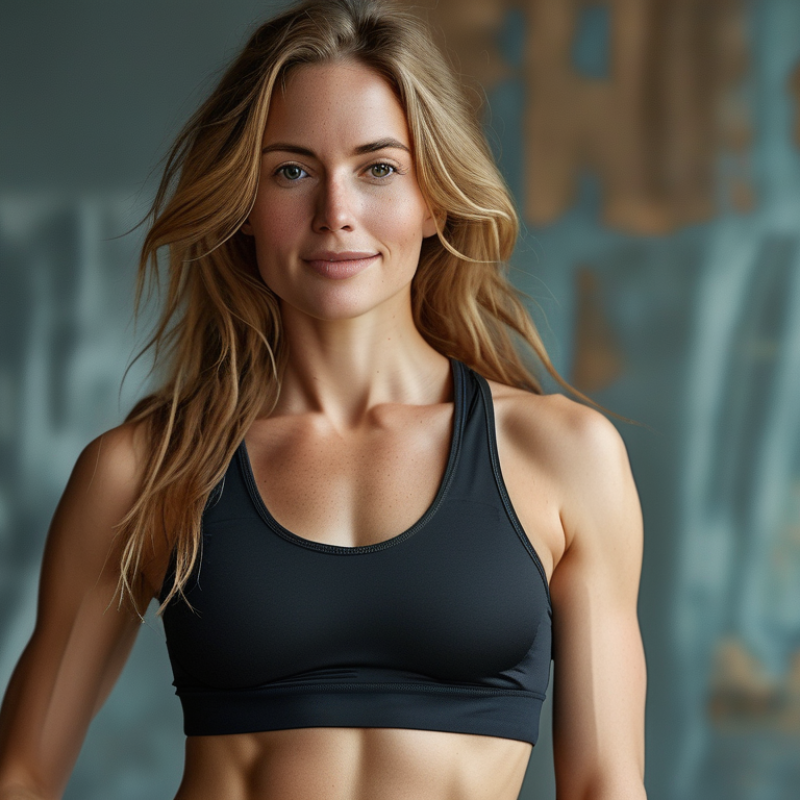
How Tight Should Activewear Leggings Be for Comfort and Performance?

Understanding the Importance of Fit in Activewear Leggings

When selecting activewear leggings, fit plays a crucial role in both comfort and performance. The tightness of the leggings can influence your range of motion during workouts. Ideally, leggings should feel snug without being restrictive. A good fit allows for flexibility, enabling you to perform movements like squats or lunges with ease.

However, the definition of "tight" can vary widely among individuals. Some may prefer a compression fit for support, while others may lean towards a more relaxed feel. It's essential to consider fabric stretch, breathability, and personal comfort levels. A too-tight legging can lead to chafing and distraction during exercises.

Finding the perfect fit might take time and experimentation. You might discover that your usual size feels different in various activities. Reflecting on your experience can help you better understand your needs. Pay attention to how the fabric behaves when you move. This awareness is key to enjoying your workout while feeling secure in your activewear.

Key Factors Influencing the Tightness of Activewear Leggings

Choosing the right tightness for activewear leggings is essential for comfort and performance. Several factors influence this decision. One key factor is the type of activity you will engage in. For high-intensity workouts, a snug fit can provide support and prevent chafing. If you're practicing yoga or going for a leisurely walk, slightly looser leggings may be more comfortable.

The fabric also plays a crucial role in determining the ideal tightness. Materials that offer good stretch can feel secure without constricting movement. Breathability is important; opting for a fabric that allows airflow can enhance your comfort. Athletes often report that overly tight leggings feel restrictive and can lead to distraction, impacting performance.

Fit varies by body type and personal preference. Some people prefer a very tight fit, while others may feel more comfortable with a relaxed style. Trying different sizes is vital for finding what feels best for you. It’s common to worry if leggings are too tight or too loose. Listen to your body and make adjustments as needed. Balancing snugness with comfort can lead to better performance and enjoyment in your activities.

Comfort vs. Performance: Finding the Right Balance

Finding the right balance between comfort and performance in activewear leggings can be a challenge. Leggings that are too tight can restrict movement, while those that are too loose may not provide the support needed during intense workouts. It’s essential to focus on fit, fabric, and functionality to achieve optimum performance.

When trying on leggings, pay attention to how they feel during movement. A snug fit should allow for squats, lunges, and jumps without slipping. Fabrics like spandex or polyester blend are often stretchy but should still fit comfortably. If you constantly adjust your waistband, it might be too tight. On the other hand, if you feel the leggings sliding down, they might be too loose. Listen to your body; it will tell you what you need.

Every athlete has a unique shape and preference. It is crucial to recognize that comfort can differ greatly. Some people thrive in a second-skin feel, while others prefer a bit more room. Testing various styles and sizes helps to identify what complements your workouts best. Embrace the trial-and-error process; it is part of finding your ideal activewear combination.

Materials and Stretch: How They Impact Legging Fit

When choosing activewear leggings, material and stretch are key factors that determine comfort and performance. The right fabric can enhance movement and support. According to a 2022 report from the Textile Research Journal, leggings made from a blend of nylon and elastane offer superior stretch while maintaining durability. These materials allow for a snug fit that accommodates various activities, from yoga to running.

Fit should not be too tight. Excessive compression can restrict blood flow and cause discomfort. A study from the Journal of Sports Sciences noted that overly tight leggings may lead to muscle fatigue. Instead, look for leggings that provide support without constricting movement. A 2023 survey showed that 75% of athletes prefer leggings that allow freedom of movement in all directions.

Tips: When trying on leggings, pay attention to comfort in different positions. Bend, stretch, and squat to evaluate the fit. Ensure the waistband sits comfortably without digging into your skin. Remember, leggings should feel like a second skin—supportive yet unobtrusive. Always consider the activity type and choose materials that align with your performance needs.

How Tight Should Activewear Leggings Be for Comfort and Performance? - Materials and Stretch: How They Impact Legging Fit

Material Stretchability (%) Recommended Fit Comfort Level (1-10)
Polyester Blend 30% Tight but Not Restrictive 8
Nylon 40% Form-Fitting 9
Spandex 50% Very Tight 10
Cotton Blend 10% Loose Fit 7
Bamboo Fiber 25% Comfortable Tight 8

Tips for Choosing the Right Size for Optimal Comfort and Support

Finding the right fit for activewear leggings is essential for comfort and performance. Start by knowing your measurements. Measure your waist and hips to determine your size accurately. Different styles and fabrics have varied stretch, so try them on before buying. A snug fit is important, but it shouldn’t restrict movement.

When trying on leggings, perform a few squats or stretches. They should move with you. Look for leggings that provide support without feeling suffocating. If you feel any pinching or chafing, it’s a sign to go up a size. Remember, not all bodies are the same. What feels right for one person might not feel the same for another.

Keep in mind that leggings can loosen with wear. If they feel perfectly tight at first, consider how they might change. Quality material can make a difference, but even the best fabrics can feel different after several workouts. Reassess your choices after a few uses to ensure ongoing comfort and support. Adjust your expectations and take time in understanding what works best for you.

FAQS

: Why is fit important in activewear leggings?

: Fit influences comfort and performance. A snug feel allows movement without restriction during workouts.

How do I know if leggings are too tight?

If you experience chafing or pinching, they are likely too tight. Leggings should not be restrictive.

Can my usual size change with different activities?

Yes, your size may feel different depending on the activity. Experimentation is key to finding the right fit.

What should I do when trying on leggings?

Perform squats or stretches. They should move with you for optimal comfort and support.

How can I assess the quality of leggings?

Pay attention to fabric stretch and breathability. Quality materials should feel comfortable even with repeated use.

Should I be concerned if leggings loosen over time?

Yes, leggings can lose tightness. Reassess after several uses to ensure they still provide support.

How do personal preferences affect legging fit?

Preferences vary. Some prefer compression for support, while others like a relaxed fit. Listen to your body.

What signs indicate I need to change my legging size?

If they pinch, chafe, or don't allow full movement, consider going up a size for better comfort.

Is it normal for leggings to fit differently after a workout?

Yes, they may feel different after use. Reflect on their behavior during movement for better fit understanding.

Can I rely on a specific size when choosing leggings?

Sizes vary by style and fabric. Always try them on to ensure the best fit for your body.

Conclusion

When considering how tight activewear leggings should actually be, it is essential to understand the importance of fit in enhancing both comfort and performance during workouts. Several key factors influence the appropriate tightness, including body shape, activity type, and personal preference. Striking the right balance between comfort and performance is crucial, as overly tight leggings can restrict movement while those that are too loose may not provide adequate support.

The materials used in leggings play a significant role in their stretch and fit. Fabrics with good elasticity can enhance comfort while still offering the compression needed for performance. To achieve optimal comfort and support, individuals should focus on choosing the right size and pay attention to how the leggings feel during movement. Ultimately, the ideal fit is one that allows for freedom of motion while ensuring that the leggings stay in place during physical activity.

Charlotte

Charlotte

Charlotte is a seasoned marketing professional with a deep understanding of the company's portfolio and a passion for elevating its presence in the market. With a keen eye for detail and a commitment to excellence, she ensures that our professional blog is regularly updated with insightful articles......