What is the benefit of wearing a compression vest? The answer is more nuanced than many product pages suggest. A compression vest applies gentle, even pressure across the torso. Some wearers describe a steadier body feeling, improved awareness, or reduced clothing-related discomfort. Others notice little change. That difference matters.
Occupational therapy literature connects deep-pressure input with sensory regulation, especially for some autistic children and people with sensory processing challenges. However, published evidence remains limited and inconsistent. Reviews in occupational therapy journals often report short studies, small samples, and varied vest designs. The American Occupational Therapy Association encourages individualized assessment rather than universal sensory equipment recommendations. The National Institute for Health and Care Excellence also emphasizes person-centred support and careful monitoring for autistic people.
Compression may also support body awareness during seated work, travel, or light activity. It does not automatically improve posture, muscle strength, circulation, anxiety, or athletic performance. Those claims need stronger clinical evidence. Reports from Grand View Research describe growing demand for wearable compression products, but market growth is not proof of medical effectiveness. That distinction is easy to miss.
A suitable vest should feel supportive, not restrictive. Skin color changes, numbness, pain, breathing difficulty, or dizziness require immediate removal. People with respiratory, cardiovascular, neurological, or circulation conditions should seek professional advice first. Fit matters too. A vest that rolls beneath the ribs can create pressure points by lunchtime.
The practical question is personal: does the garment improve comfort, focus, or movement without causing harm? Keep a simple usage record. Note duration, activity, comfort, and symptoms. The evidence is imperfect. So is individual experience. That is why thoughtful trial, professional guidance, and realistic expectations remain essential.
What Is a Compression Vest and How Does It Work?
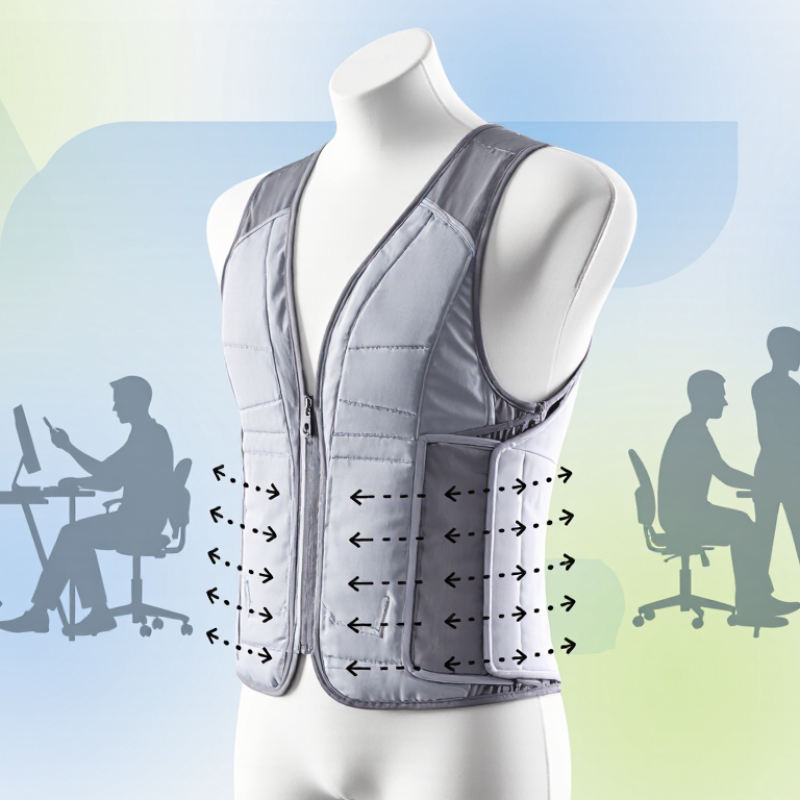
A compression vest is a close-fitting garment that applies gentle, even pressure around the torso. It usually uses elastic fabric, firm panels, or adjustable sections. The vest should feel snug, not painful or restrictive.
This steady pressure may increase body awareness, sometimes called proprioceptive input. A wearer may notice their posture, breathing rhythm, or movement more clearly. Some people report feeling calmer during busy activities. Others use a vest during exercise or daily tasks because it offers light support and improves clothing stability. However, results vary. Compression is not a guaranteed treatment, and stronger pressure is not always better.
Tips: Choose a size that allows comfortable breathing and natural movement. Check your skin after wearing it for a short period. Redness, numbness, tingling, or dizziness means the vest should be removed. Avoid sleeping in it unless a qualified professional recommends that use. People with circulation, breathing, skin, or heart concerns should seek medical advice first. Fit matters greatly. A poorly fitted vest can create pressure points instead of useful support. In practice, users often need several trials to find a comfortable duration. That part is easy to underestimate.
How Can Compression Vests Support Posture and Body Awareness?
What Is the Benefit of Wearing a Compression Vest?
How Can Compression Vests Support Posture and Body Awareness?
A compression vest applies steady, gentle pressure across the chest, shoulders, and upper back. That pressure can act like a quiet reminder to notice slouching. The cue is sensory, not corrective. It does not physically force the spine into alignment.
The World Health Organization reports that musculoskeletal conditions affect about 1.71 billion people worldwide. It also estimated that low back pain affected 619 million people in 2020. These figures show why practical posture support matters, especially during desk work or long periods of standing. A well-fitted vest may help some users sense their trunk position earlier. That awareness can encourage relaxed shoulders and more balanced sitting.
Small changes matter.
However, compression is not a replacement for movement, strength training, or clinical care. Occupational safety guidance consistently identifies prolonged static positions and awkward postures as physical risk factors. A vest may support body awareness, but it cannot erase those risks. In practice, users should check breathing comfort, skin pressure, and shoulder movement during ordinary tasks.
The evidence is still developing. Some people report clearer body feedback, while others feel restricted or distracted. That difference deserves attention. Wearing a tighter vest is not automatically better. Users should begin with light compression and short sessions, then reassess comfort and movement. Persistent pain, numbness, or breathing difficulty requires professional advice.
What Physical and Sensory Benefits May Compression Vests Provide?
What Is the Benefit of Wearing a Compression Vest?
What Physical and Sensory Benefits May Compression Vests Provide?
A compression vest applies gentle, even pressure around the torso. This pressure may improve body awareness and create a steadier physical sensation during movement. Some users describe feeling more secure while walking, exercising, or sitting for long periods. Pressure feels noticeable. It should never cause pain, numbness, or restricted breathing.
Physical benefits can include mild postural support, warmth, and reduced awareness of muscle movement. However, compression does not automatically increase strength or correct poor posture. A 2014 meta-analysis in Sports Medicine found small-to-moderate improvements in perceived muscle soreness and recovery after intense exercise. The evidence was less convincing for improving performance. That distinction matters.
Sensory benefits may involve proprioception, the body’s sense of position and movement. Deep pressure can feel calming for some people, especially during noisy or demanding situations. Evidence remains uneven. A systematic review in the American Journal of Occupational Therapy found insufficient evidence that pressure-based garments consistently improve attention or behavior. Individual responses vary widely. Fit matters.
A vest should feel snug, not restrictive. Check the skin after wearing it, especially around the shoulders and ribs. People with circulation, breathing, or medical concerns should ask a qualified clinician before use. My practical observation is simple: comfort often predicts usefulness better than maximum tightness.
Who May Benefit from Wearing a Compression Vest?
Who May Benefit from Wearing a Compression Vest?
A compression vest may help people who seek steady, gentle pressure across the chest and shoulders. Some children and adults with autism, ADHD, or sensory-processing differences report improved body awareness. The CDC’s 2025 ADDM Network report identified autism in 1 in 31 eight-year-old children in monitored U.S. communities. This highlights a large population seeking practical sensory support, not a guaranteed treatment. A vest should support daily activities, not replace therapy or medical care.
Occupational therapists may consider compression clothing for people who struggle with crowded rooms, restless movement, or poor proprioceptive awareness. The American Academy of Pediatrics reports that evidence for sensory-based interventions remains limited and inconsistent. That matters. A vest can feel helpful one afternoon and irritating the next. It may also restrict breathing, increase heat, or distract the wearer when fitted poorly. People with breathing, circulation, skin, or mobility concerns should ask a qualified clinician before use.
Tips: Choose a breathable, adjustable garment. Start for 10 to 15 minutes. Watch for sweating, numbness, pain, or distress. Never force wear. Record the setting, duration, and observed response. This simple log can reveal patterns, although personal observations are not clinical proof.
How Should a Compression Vest Be Chosen and Used Safely?
A compression vest can provide steady, gentle pressure across the chest. This may improve body awareness, reduce movement during activity, and support recovery after selected procedures. Benefits vary widely. A vest should never make breathing feel restricted.
Choose the garment by measured chest size, intended use, and medical advice. Do not select a smaller size for stronger compression. A correct fit lies flat, avoids rolled edges, and permits two comfortable fingers beneath the fabric. The 2020 International Consensus Statement in Phlebology reports that serious complications are rare when compression is prescribed correctly. However, it identifies higher risks for people with arterial disease, reduced sensation, or certain heart conditions. A clinician should review these concerns.
Wear it for a short trial first. Check your breathing, skin color, temperature, and comfort after 30 minutes. Remove it if you notice numbness, sharp pain, dizziness, swelling, or unusual skin marks. Keep the skin dry, especially beneath the chest and underarms. Wash the vest according to its care instructions, because stretched fabric can provide uneven pressure. The World Health Organization estimates that 1.71 billion people live with musculoskeletal conditions, yet that broad figure does not prove a compression vest will help every user. Individual response matters more than marketing language. I would reassess the fit after washing and after any body-weight change. There is no perfect vest, only a safer, better-monitored choice.
What Is the Benefit of Wearing a Compression Vest?
How Should a Compression Vest Be Chosen and Used Safely?
Compression garments apply pressure to the body and may provide support, improve body awareness, and help manage swelling when appropriately fitted. The pressure level should match the wearer’s needs, comfort, and medical guidance.
The chart shows commonly used reference ranges for compression garments in millimeters of mercury (mmHg). These ranges are not universal ratings for every compression vest, so check the product specification and consult a qualified healthcare professional when medical compression is required.
A vest should feel supportive but should not cause pain, numbness, tingling, shortness of breath, skin discoloration, or difficulty moving. Stop using it and seek professional advice if these symptoms occur.
FAQS
A compression vest is a close-fitting garment for the torso. It uses elastic fabric, firm panels, or adjustable sections. The fit should feel snug, not painful.
It applies gentle, even pressure around the chest and waist. This pressure may increase body awareness during movement. Some users notice posture, breathing, or movement more clearly.
It may offer mild postural support, warmth, and clothing stability. Some people feel more secure while walking, exercising, or sitting. It does not automatically increase strength or correct posture.
Some evidence suggests small improvements in perceived soreness and recovery. Evidence for better exercise performance is less convincing. The result varies between people.
Deep pressure may feel calming during noisy or demanding activities. Some users feel steadier in crowded spaces. Research remains uneven, so this effect is not guaranteed.
It should allow comfortable breathing and natural movement. Tightness is not the goal. Excessive pressure can create painful points around the ribs or shoulders.
Remove it if you notice pain, numbness, tingling, dizziness, or restricted breathing. Check your skin after a short wearing period. Persistent redness deserves attention.
Avoid sleeping in it unless a qualified professional recommends this use. People with circulation, breathing, skin, or heart concerns should seek medical advice first. Fit matters greatly, and several trials may be needed.
Conclusion
A compression vest is a close-fitting garment that applies gentle, even pressure around the torso. What is the benefit of wearing a compression vest? Its pressure may provide calming sensory input, encourage a more upright posture, and improve awareness of body position during daily activities. By offering consistent feedback around the shoulders, chest, and back, it can help some people feel more grounded, organized, and comfortable while sitting, standing, working, or exercising.
Compression vests may be useful for individuals seeking posture support, sensory regulation, or greater body awareness, although results can vary. The vest should fit snugly without restricting breathing, movement, circulation, or digestion. Users should begin with short periods, monitor comfort, and remove it if they experience pain, numbness, dizziness, overheating, or difficulty breathing. Choosing a breathable, adjustable design and consulting a qualified healthcare professional when needed can help ensure safe and appropriate use.

 Jungle Clothing