7 Best Ways to Transition Activewear from Gym to Street?

Time:2026-10-25 Author:Amelia
0%

Activewear no longer stops at the gym door. A sculpting top can meet a tailored blazer, while clean sneakers can carry a look from training session to café table. The challenge is balance. Comfort matters. So does intention.

Grand View Research valued the global athleisure market at approximately $358 billion in 2023. Its report projects continued growth through 2030, supported by flexible lifestyles and casual workplace dressing. McKinsey & Company and The Business of Fashion also identify sportswear as a resilient fashion category in The State of Fashion reports. These findings suggest a practical shift, not a temporary styling trick.

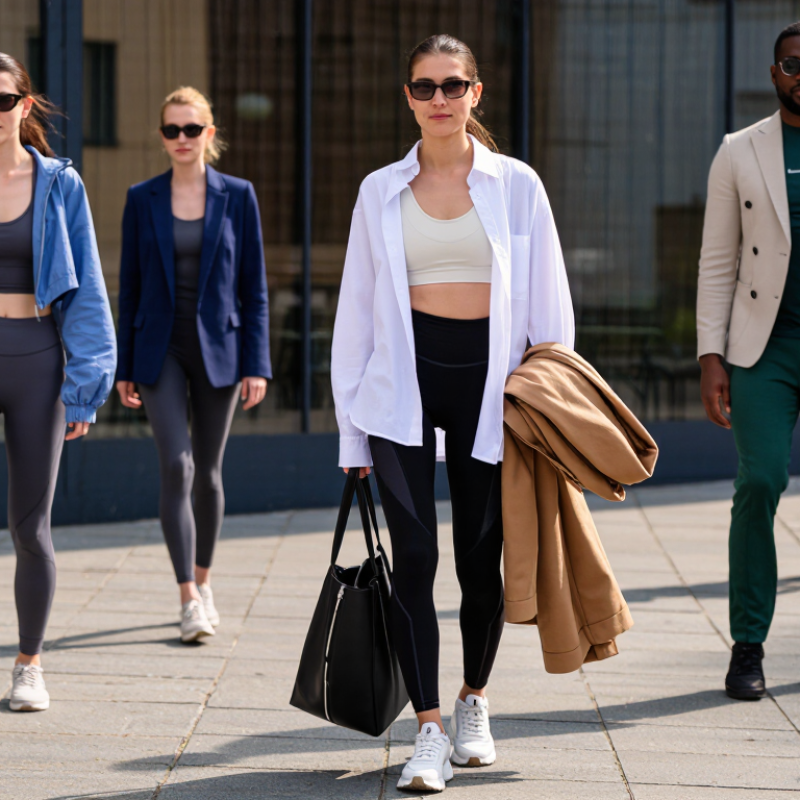
Fashion consultant Robert Burke has described athleisure as “a lifestyle, not a trend.” That idea explains why successful gym-to-street outfits need more than expensive performance fabrics. They need proportion, texture, and context. A fitted training bra may work under an oversized cotton shirt. Technical leggings may look sharper with a structured coat and understated leather accessories. A lightweight nylon jacket can replace a hoodie when the setting feels more polished.

This guide explores how to transition activewear from the gym to the street through seven realistic styling moves. It considers layering, color control, footwear, fabric contrast, and accessory choice. It also recognizes an uncomfortable truth: some activewear still looks too technical outside a workout space. That is not a failure. It is useful feedback. The best outfits may require one less logo, one cleaner silhouette, or one deliberate change before leaving the locker room.
7 Best Ways to Transition Activewear from Gym to Street?

Build a Versatile Activewear Base for Everyday Outfits

A versatile activewear base starts with pieces that behave well beyond exercise. I rely on opaque leggings, a supportive tee, and a lightweight outer layer. These essentials should move comfortably, dry quickly, and keep their shape after repeated washing. Check the waistband while sitting, not only while standing. A secure fit matters on the train, at a café, or during errands. Neutral shades make outfit building easier, but one muted color can add personality. I often choose black leggings, a gray top, and an overshirt with useful pockets. It sounds simple. That is the point.

To transition from gym to street, change the styling layer before changing the activewear. Add a crisp button shirt, cropped jacket, or fine-knit cardigan over a fitted set. Clean sneakers can work, though scuffed soles quickly make the outfit look unfinished. Small details carry weight. A structured tote, simple watch, or neat cap can create visual balance. Avoid combining every technical texture at once; shiny fabric, mesh, and bold logos may feel overly sporty together. I learned this after wearing a matching set with a slippery jacket. It was comfortable, but not convincing outside the studio. Now I mix one performance piece with two everyday textures. Wash garments in cool water, avoid harsh heat, and inspect seams regularly. Clothes last longer when treated honestly, not optimistically.

7 Best Ways to Transition Activewear from Gym to Street

Build a versatile activewear base by choosing pieces that work across six settings: gym, commute, errands, coffee, travel, and casual dinner. The score shows how many of these settings each item can support when styled appropriately.

Start with neutral colors, clean silhouettes, and functional fabrics, then add one structured layer or refined accessory to move seamlessly from exercise to everyday outfits.

Use Layering to Shift Sportswear into Streetwear

Layering is the easiest way to move activewear from the gym to the street. Start with a fitted performance top, then add a structured overshirt or lightweight jacket. The contrast makes the outfit look intentional. A soft hoodie can also work, but choose one with a clean shape and minimal decoration. Keep the base layer breathable, especially after training. Damp fabric under a heavy coat becomes uncomfortable quickly.

Proportion matters more than matching colors. Pair slim leggings with an oversized shirt, or balance loose joggers with a shorter jacket. A long open shirt can add movement without hiding the athletic silhouette completely. For cooler weather, try a thin thermal layer beneath a relaxed knit. Neutral shades are dependable, while one brighter layer gives the outfit energy. I often check the sleeves and hem before leaving. Small bunching can make a polished outfit look accidental.

Accessories help complete the transition. Simple socks, a practical crossbody bag, and clean-looking trainers can connect the layers. Avoid piling on too many technical details; reflective panels and mesh may feel too sporty for some settings. I still get this wrong when comfort takes over and every piece becomes oversized. A quick mirror check helps: remove one layer if the outfit feels crowded. Weather should guide the final choice, too. A water-resistant outer layer is useful during sudden rain, but it should remain light enough for walking between places.

Balance Athletic Pieces with Casual Silhouettes

7 Best Ways to Transition Activewear from Gym to Street?

Balance Athletic Pieces with Casual Silhouettes

Activewear looks more polished when one athletic piece meets a relaxed, everyday shape. I often start with fitted leggings and add an oversized cotton shirt. The loose layer softens the sporty base. It also creates useful coverage after training. A cropped performance top can work under a boxy denim jacket. Keep the jacket open for movement and visual balance. The contrast feels intentional, not like an unfinished gym outfit.

Try replacing joggers with straight-leg trousers or relaxed cargo pants. Their structure makes a sweatshirt appear less athletic. Clean sneakers help, but avoid wearing shoes that look heavily worn. A simple belt, small earrings, or a compact shoulder bag can shift the outfit toward streetwear.

Neutral colors usually blend athletic fabrics with casual silhouettes more easily. Charcoal, cream, olive, and navy are practical starting points. Texture matters too. Smooth leggings pair well with denim, canvas, or softly knitted layers.

Proportion deserves attention. If the bottom is tight, choose volume on top. If the jacket is large, keep the base sleek. I once combined a loose hoodie with wide track pants and looked swallowed by fabric. That mistake still informs my styling choices. Avoid matching every piece too perfectly. A slightly unexpected layer often looks more natural. Check comfort before leaving. If the waistband cuts in or the jacket restricts your arms, the outfit needs adjustment. Confidence cannot repair poor fit.

Elevate the Look with Footwear and Accessories

Activewear can leave the gym without looking unfinished. Start with clean, structured footwear. A low-profile sneaker sharpens leggings and a relaxed hoodie. A leather-look loafer creates stronger contrast with technical fabric. Keep the shoe spotless. Small details matter.

Use the same principle with accessories. Add a compact crossbody bag, a slim belt, or small metal earrings. Choose one focal accessory, not five competing pieces.

A baseball cap can soften tailored trousers, while sunglasses add instant street confidence. Neutral socks can also connect bright shoes with darker clothing.

I often over-style this transition. Removing one item usually improves the outfit.

Grand View Research estimates the global athleisure market could reach 662.6 billion dollars by 2030, with a 9.3% annual growth rate from 2024 to 2030.

That expansion reflects demand for clothing that works across settings. The 2024 ThredUp Resale Report projects the global secondhand apparel market will reach 350 billion dollars by 2028.

Therefore, quality footwear and durable accessories deserve attention. They extend an outfit’s usefulness and may support longer wear.

Rotate two or three shoe shapes instead of buying impulsively. Check comfort before appearance. A beautiful shoe that limits movement is still a poor street choice.

Adapt Activewear Styling to Different Street Settings

Activewear now needs to work beyond the gym.

The Global Wellness Institute valued the global physical activity economy at $1.1 trillion in 2023. That growth reflects changing routines. People move between workouts, cafés, offices, and evening plans.

People move between workouts, cafés, offices, and evening plans.

For a casual street setting, add a structured overshirt, clean sneakers, and one compact shoulder bag. Keep one athletic item visible.

For work-friendly streets, choose matte fabrics, darker colors, and tailored trousers over tight leggings. A fitted base layer can sit under a loose blazer.

For travel, use breathable layers and a light scarf. For dinner, replace a hoodie with a cropped jacket and simple metal jewelry.

McKinsey’s State of Fashion 2024 identifies versatility as a major value driver in fashion purchases. Still, versatility can look careless without proportion. I often find one extra layer improves the outfit, but sometimes it makes movement awkward.

Tips:

Match the outfit to the setting, not only the activity. Keep gym shoes spotless. Use a two-color palette. Tuck or roll one detail. Check fabric transparency in daylight. Avoid carrying too many technical pieces at once. A polished hairstyle also changes the message.

The International Textile Institute recommends checking fiber performance, especially moisture management and durability, before repeated use.

Yet performance claims are not always obvious from touch. Read the care label. Test the garment after washing.

FAQS

How can I make leggings suitable for a casual street outfit?

Pair fitted leggings with an oversized cotton shirt, denim jacket, or softly knitted layer. A loose top adds coverage and reduces the gym-only appearance.

What can replace joggers in a more polished outfit?

Try straight-leg trousers or relaxed cargo pants. Their structure makes a sweatshirt feel less athletic and more everyday.

How should I balance proportions when styling activewear?

Match tight bottoms with a roomier top. Keep the base sleek under a large jacket. Too much volume can swallow your shape.

Which colors blend activewear with casual clothing?

Charcoal, cream, olive, and navy are dependable choices. They work well with denim, canvas, and smooth technical fabrics.

What footwear helps activewear look street-ready?

Choose clean, structured sneakers or simple loafers. Low-profile shoes sharpen leggings and relaxed hoodies. Keep them clean.

Which accessories can improve a simple athletic outfit?

Add one focal accessory, such as a compact shoulder bag or slim belt. Small earrings, sunglasses, or a cap can also shift the mood.

How many accessories should I wear at once?

Usually, one strong accessory is enough. I often add too much, then remove one piece. The outfit usually improves.

How can I check whether the outfit really works?

Walk, sit, and raise your arms before leaving. A cutting waistband or restrictive jacket needs adjustment. Comfort still matters.

Should every piece match perfectly?

No. An unexpected layer can make the outfit feel more natural. I once paired an oversized hoodie with wide track pants and looked completely covered.

Conclusion

Learning how to transition activewear from the gym to the street starts with building a versatile foundation of comfortable, well-fitted pieces in simple colors and adaptable shapes. Leggings, joggers, fitted tops, and lightweight layers can easily become part of everyday outfits when combined thoughtfully. Layering is especially useful: add an oversized shirt, casual jacket, knit sweater, or long coat to soften a sporty look and create a more polished streetwear feel.

The key is to balance athletic clothing with relaxed, casual silhouettes. Pair streamlined activewear with loose outer layers, structured pieces, or everyday essentials for visual contrast. Footwear and accessories can also elevate the outfit, whether you choose clean sneakers, practical boots, a crossbody bag, sunglasses, or understated jewelry. Finally, adjust your styling to suit different street settings, such as errands, casual meetups, travel, or relaxed work environments. With the right proportions, textures, and finishing details, activewear can move naturally from exercise to daily life while remaining comfortable and stylish.

Amelia

Amelia

Amelia is a seasoned marketing professional with a wealth of expertise in our company’s core offerings. With an unwavering passion for driving growth and innovation, she plays a pivotal role in shaping our marketing strategies and enhancing brand visibility. A key aspect of her responsibilities......