Choosing postpartum shapewear is less about hiding a changing body and more about finding comfortable, practical support. For readers asking how to choose shapewear for postpartum recovery, start with gentle compression, breathable fabric, and adjustable closures. The garment should let you sit, walk, and breathe easily. No pinching. No pressure that makes you wince. A soft waistband beneath a loose cotton dress may feel reassuring; a rigid panel may feel wrong, especially near a healing incision.
Pelvic health physical therapist Sarah Reardon offers a useful professional perspective on postpartum recovery. As a non-verbatim takeaway from pelvic-health guidance: “Support should feel secure, never restrictive.” A garment is not a treatment, and individual recovery needs vary. Ask your obstetric clinician before wearing compression after a difficult birth, surgery, or when discomfort persists. Check seams and fasteners against the skin, and choose a size that fits today rather than one you hope to fit later. That sounds obvious, but it is easy to overlook. This guide compares construction, fit, and everyday usability in leading Chinese shapewear options, while keeping comfort and clinical advice ahead of appearance. A little support can help. It should not become another demand on a recovering body.
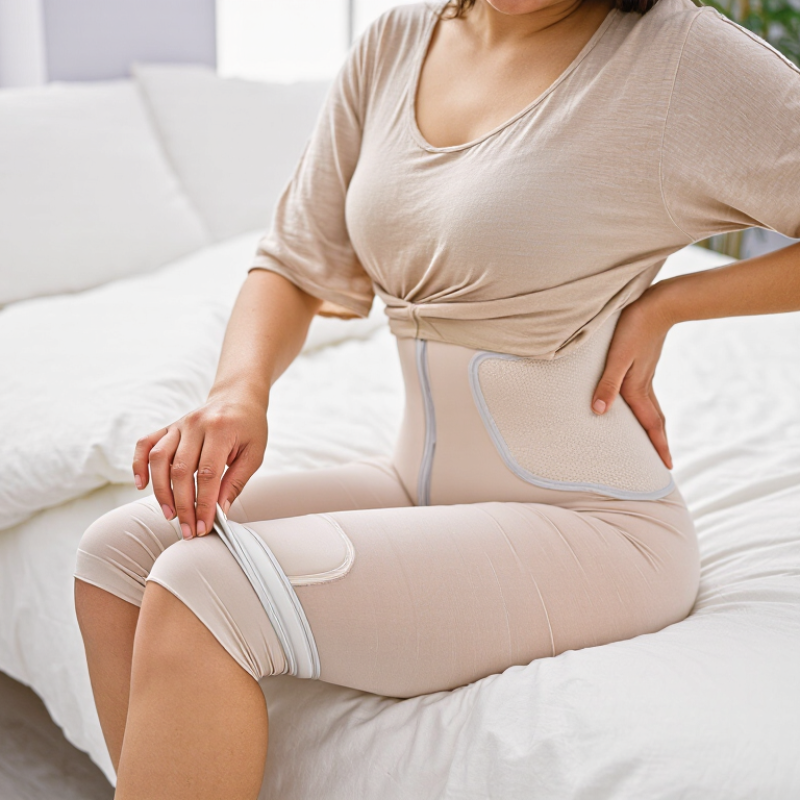
Postpartum shapewear is designed to offer gentle support around the abdomen; it does not repair muscles or speed healing. After birth, swelling and body measurements can change from day to day. Fit changes daily. Choose breathable fabric and adjustable closures, and make sure you can sit, breathe, and move without pressure. Comfort comes first. Stop wearing a garment that causes pain, numbness, skin irritation, or difficulty breathing. After a cesarean birth, ask your care team before covering or compressing the incision.
Recovery needs more than a garment. ACOG’s 2018 Committee Opinion No. 736 describes postpartum care as an ongoing process, with contact within three weeks and a comprehensive visit by 12 weeks. That guidance supports checking fit and timing with a clinician, especially after surgery or when discomfort persists. Evidence about medical abdominal binders should not be assumed to apply to every commercial shapewear design. The market is growing: Grand View Research estimated the global shapewear market at US$2.26 billion in 2023 and projected 7.3% annual growth through 2030. That is a market forecast, not proof of medical benefit. Fit can feel reassuring, but I would not treat tightness as a measure of recovery.
Your postpartum body may change from morning to evening, so shapewear should feel adjustable rather than restrictive. Look for soft, breathable fabric and seams that do not rub your incision or tender skin. A high waist may feel supportive, but it should not press painfully on your abdomen. Comfort matters. You should be able to sit, bend, breathe deeply, and feed your baby without constant readjusting. If you remove it and find deep marks, numbness, or increased pain, the fit may be too tight.
Choosing the right shapewear means matching it to your recovery, not chasing a particular shape. After a cesarean birth, ask your clinician when compression is appropriate and how to protect the incision. The same check-in is sensible after a difficult delivery or if swelling and pain are worsening. Shapewear cannot heal separated muscles or replace medical care. It may offer gentle support during a short walk or while standing at the changing table, though some days it may feel uncomfortable. That is normal. Start with a brief trial, follow the garment’s care instructions, and stop wearing it if symptoms increase. A perfect fit is not always obvious at first; reassess as your body changes.
Postpartum recovery varies by delivery method and individual health. These typical reference windows can help guide shapewear decisions: choose soft, breathable, non-restrictive support, and avoid pressure over painful areas, heavy bleeding, open wounds, or a healing cesarean incision. Always follow your healthcare professional’s advice.
Reference windows are general clinical guidance: lochia commonly lasts up to about 6 weeks, uterine involution is generally assessed around 6 weeks, cesarean incision recovery commonly requires at least 6 weeks, and pelvic-floor recovery may continue for 12 weeks or longer.
China Top Shapewear: How to Choose for Postpartum Recovery?
Postpartum shapewear should support comfort, not force the body into a smaller shape. Material matters. Soft cotton blends feel breathable against sensitive skin, while nylon and elastane provide stretch and recovery. Look for flat seams and moisture control, especially during warm days or long periods of sitting. However, fabric alone does not guarantee comfort. Some smooth materials can still irritate healing skin.
Compression levels should match your recovery stage. Light compression may offer gentle abdominal support during daily movement. Medium compression can feel restrictive if swelling, tenderness, or a cesarean incision remains. High compression is not automatically better. A midwife or healthcare professional should guide its use after birth, particularly when pain or circulation concerns exist. The garment should allow easy breathing, walking, and feeding. If numbness appears, remove it. Fit is often more important than appearance.
Tips: Measure your waist and hips without pulling the tape tightly. Choose adjustable panels when your body is still changing. Check the garment after thirty minutes. Red marks, itching, or pressure signal a poor fit. Do not sleep in firm shapewear unless a qualified clinician recommends it. It is easy to overestimate compression. Gentle support may work better.
Choosing postpartum shapewear starts with comfort, not compression. After birth, your body is healing, and its needs can change from day to day. Look for soft, breathable fabric and seams that do not rub against a tender abdomen or incision. A garment should feel supportive, never restrictive. You should be able to sit, walk, and take a full breath comfortably. If it causes pain, numbness, or unusual pressure, take it off and ask a qualified healthcare professional for advice.
Fit matters more than the size printed on a label. Measure your current waist and hips, and check the garment’s sizing guide rather than relying on pre-pregnancy measurements. Stretch fabric can help with movement, but very tight panels may roll, dig in, or make feeding and bathroom trips frustrating. Small details count. Can you fasten it without straining? Does it stay in place when you bend? I would not assume one style suits every recovery.
Check product quality closely. Even stitching, smooth edges, and clear care instructions are useful signs; vague fabric details deserve a second look. Wash the garment before wearing it, and inspect seams for irritation after a short trial. Shapewear is not a treatment for postpartum complications, and product claims should not replace personalized medical guidance. Recovery can be uneven. That part is easy to underestimate.
| Selection Dimension | What to Look For | Practical Check | Caution or Red Flag |
|---|---|---|---|
| Medical suitability | Choose support wear that matches your recovery needs and delivery circumstances. Ask your obstetric or midwifery care team when to wear compression, especially after a cesarean birth or if you have a medical condition. | Confirm that the garment will not press on a healing incision, wound, or area your clinician has advised you to protect. | Do not use shapewear as a substitute for medical care or assume that stronger compression speeds recovery. |
| Compression level | Look for gentle, even support that lets you breathe, sit, walk, and move comfortably. Compression should feel supportive rather than restrictive. | While wearing it, check that you can take a full breath and move without pain or unusual pressure. | Remove it if you experience pain, numbness, tingling, skin discoloration, worsening swelling, or difficulty breathing. |
| Fit and sizing | Use the product's current size chart and your present measurements. Choose a size that fits your body now, not a pre-pregnancy size. | Check the waist, hip, and torso measurements required by the garment's chart; try the garment on gently and reassess when seated. | A smaller size is not a safer or more effective choice. Avoid rolling, digging, pinching, or persistent marks from tight edges. |
| Adjustability | Consider adjustable panels, flexible closures, or a design that can accommodate ordinary changes in postpartum body size. | Check that closures lie flat, are easy to reach, and do not press directly on a sensitive incision or tender area. | A garment that is difficult to put on or remove may be impractical during recovery and bathroom visits. |
| Comfort and coverage | Look for smooth seams, soft edges, and coverage that suits your clothing and daily activities. | Check for rubbing at the thighs, waist, underbust, and closure points during normal movement. | Skip styles that cause chafing, trap uncomfortable heat, or make it difficult to care for your skin. |
| Fabric and skin contact | Review the fiber content, lining, and care instructions. A soft, breathable-feeling fabric may be more comfortable for extended everyday use. | Check the label for material details and wash the garment before first use if the care instructions allow. | Be cautious if a fabric or finish irritates your skin. “Natural,” “medical-grade,” or similar wording alone does not prove safety or effectiveness. |
| C-section considerations | If you had a cesarean birth, ask your care team whether and when abdominal support is appropriate for you. | Choose a design that does not rub, pull, or place uncomfortable pressure on the incision area. | Do not wear a garment over an incision against clinical advice. Seek medical guidance for increasing redness, drainage, opening, fever, or worsening pain. |
| Product construction | Inspect stitching, seams, closures, elastic, and fabric finish. Construction should be even, secure, and free of sharp or rough edges. | Review clear product photos, a complete size chart, fabric composition, care instructions, and seller contact details before purchasing. | Be cautious of missing specifications, inconsistent sizing information, or unsupported claims of guaranteed recovery or body reshaping. |
| Hygiene and care | Choose a garment that can be washed and dried according to its care label and fits your routine. | Check washing temperature, drying method, and whether the garment retains its shape after care as directed. | Stop using it if elastic, seams, or closures become damaged or the fabric irritates your skin. |
| Wear routine | Follow your clinician's advice and your own comfort; there is no single wear schedule suitable for everyone. | Start with a comfortable fit and remove the garment for rest, skin checks, or whenever it feels uncomfortable. | Do not sleep in compression wear unless your clinician has specifically advised that it is appropriate for you. |
| Realistic expectations | Think of postpartum shapewear as optional clothing support. Recovery varies, and a garment cannot replace time, clinical care, or individualized rehabilitation. | Prioritize comfort and function over promises about rapid slimming, permanent waist changes, or abdominal muscle repair. | Disregard guaranteed-result claims; seek professional advice for persistent pain, pelvic-floor symptoms, or concerns about recovery. |
Note: This comparison is general shopping guidance, not a diagnosis or personalized medical advice. Follow the recommendations of your postpartum care professional.
China Top Shapewear How to Choose for Postpartum Recovery?
Using Postpartum Shapewear Properly and Adjusting Over Time
Postpartum shapewear should feel supportive, not restrictive. After birth, your body needs time to heal, and comfort can change from day to day. Choose a garment that lets you breathe, sit, and move without pressure on tender areas. If you had a cesarean birth, ask your healthcare provider when compression is appropriate, especially near the incision. Shapewear is not a treatment for recovery, and tighter does not mean better. I used to think firm support was always more helpful; that assumption deserves a second look.
Tips: Start with short periods, such as an hour at home. Check for rubbing, numbness, increased pain, or difficulty breathing. Remove the garment if any of these occur. Choose soft, breathable fabric and a size that does not dig into your waist or thighs. Wash it regularly, since sweat and skin sensitivity can make a small irritation worse.
Adjust as your comfort and activity change. You may prefer gentle support during a walk, then no compression while resting or feeding your baby. Recheck the fit after swelling shifts; a garment that felt fine last week may pinch today. If pain, unusual swelling, or wound concerns persist, contact a qualified healthcare professional rather than relying on shapewear. Recovery is not perfectly predictable. That matters.
It can provide gentle abdominal support. It does not repair muscles or speed healing.
It should let you breathe, sit, bend, and move comfortably. Deep marks or numbness may mean it is too tight.
Choose soft, breathable fabric, adjustable closures, and seams that do not rub tender skin.
Ask your care team when compression is appropriate, especially near the incision.
Try a short period, such as an hour at home. Stop if pain, irritation, numbness, or breathing difficulty occurs.
Gentle support may feel comfortable during a short walk or while standing at a changing table. It may not feel right every day.
Recheck the fit as swelling shifts. A garment that felt fine last week may pinch today.
Contact a qualified healthcare professional if pain, unusual swelling, or wound concerns persist. Shapewear is not medical care.
No. Tightness is not a measure of recovery, and firmer support is not always more helpful.
Choosing postpartum shapewear is about supporting comfort and confidence, not forcing the body to return to its previous shape. The right garment may offer gentle support during everyday activities, but individual recovery needs vary. To understand how to choose shapewear for postpartum recovery, consider your body’s changes, delivery and recovery experience, and any guidance from a qualified healthcare professional.
Compare breathable materials, compression levels, and functional designs, then check that the garment fits securely without pinching, restricting movement, or making breathing uncomfortable. Prioritize quality construction, soft seams, and practical closures. Start with short periods of wear and adjust as your comfort and recovery change. Stop using the garment if it causes pain, irritation, or unusual discomfort, and seek professional advice when unsure.