When considering how often should you replace your everyday lingerie, many factors come into play. Research shows that around 80% of women wear the same pieces for over a year. This can lead to wear and tear, affecting both comfort and hygiene. Experts suggest that periodic replacement is essential for maintaining optimal fit and support.
The average lifespan of a well-loved lingerie piece is roughly six to twelve months, depending on usage. Worn elastic and fading fabric can compromise its function. In a recent survey, 71% of women reported that their favorite bras have lost their shape over time. This knowledge raises important questions about our lingerie habits and health.
Reflecting on our choices can lead to better personal care. Are we holding onto items past their prime? Regularly evaluating your lingerie collection not only improves comfort but may enhance confidence as well. Remember, well-fitting lingerie boosts posture and overall well-being.
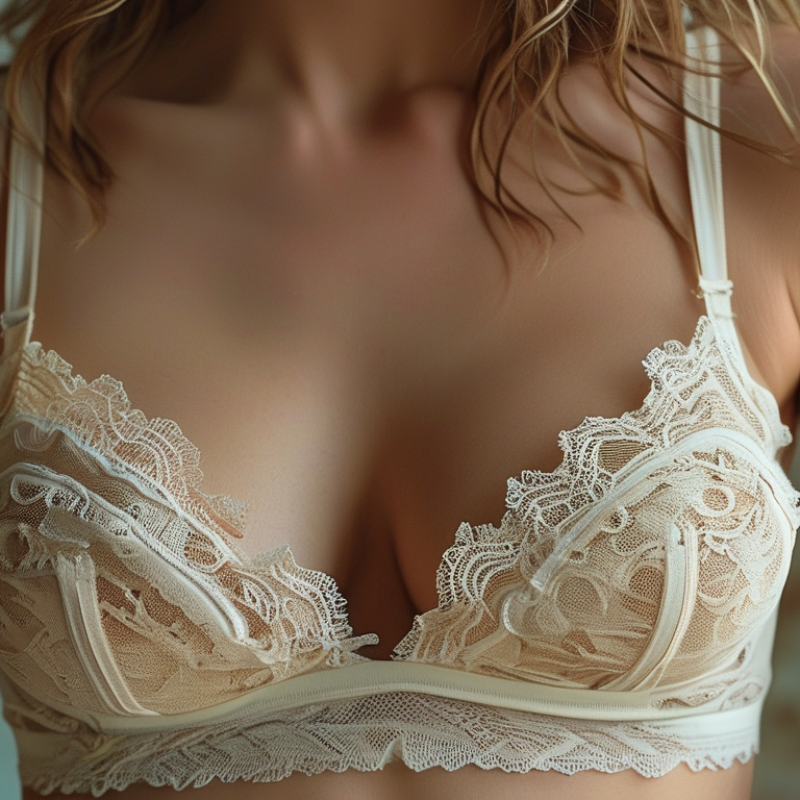
When it comes to everyday lingerie, several factors influence how long the pieces last. The fabric type plays a crucial role. Delicate materials like lace may wear out quickly. Meanwhile, cotton tends to be more durable and withstand washings better. Frequent wearing can also lead to stretching and loss of support.
Care routines significantly impact longevity. Proper washing and drying can extend your lingerie’s life. Hand washing is gentler than machine washing. Avoiding harsh detergents keeps the fabric intact. Over time, wear and tear are inevitable. Regular checks for fraying or loose threads help you address issues before they worsen.
Tips to follow: Rotate your lingerie regularly to avoid excessive wear. Store pieces flat rather than hanging them to maintain shape. Consider buying a few high-quality items instead of many cheaper ones. Investing in good pieces pays off in the long run. Lingerie is essential for comfort, so treat it well to ensure it treats you well in return.
Lingerie is an essential part of everyday wear, but how do you know when it's time to let go? One obvious sign is visible wear and tear. Look for frayed edges, loose threads, or fading colors. These signs indicate that the fabric has lost its elasticity and support. If your favorite piece no longer feels comfortable, it may be time for a change.
Another indicator is the fit of the lingerie. If it no longer hugs your body in a flattering way, or if you find yourself adjusting constantly, it’s a clear red flag. Over time, even the best quality pieces can stretch out. The feeling of support and comfort should never be compromised. Pay attention to how it feels throughout the day. If irritation or discomfort arises more frequently, it’s worth considering a replacement.
Lastly, consider hygiene aspects. Lingerie can absorb sweat and body oils over time. If you notice persistent odors, even after washing, it suggests that the fabric has reached the end of its lifespan. The right lingerie should feel fresh and clean, enhancing your confidence. Reflect on these signs regularly to maintain a collection that serves you well.
This chart illustrates the recommended replacement frequency for everyday lingerie based on general guidelines. It shows that most experts suggest replacing lingerie every 6 months to 1 year, while a smaller percentage recommends longer intervals.
When it comes to lingerie, understanding how often to replace it is crucial for comfort and hygiene. According to a report from the Journal of Textile Science, everyday bras should be replaced every 6-12 months. This timeframe prevents wear and tear from affecting fit and support. Material degradation can occur long before the visible signs appear.
For panties, experts suggest a more frequent replacement. The average lifespan is around 6-12 months, but many prefer to refresh their collection every few months. With everyday use, bacteria can accumulate, which raises concerns about cleanliness. A 2022 survey indicated that nearly 65% of women find comfort in changing panties regularly.
For shapewear, the guidelines are different. These pieces may last about 1-2 years but often depend on usage frequency. Frequent wear leads to elasticity loss. Many users fail to recognize when a piece has lost its shape. Investing in quality may extend the lifespan, but regular checks and honest assessments are essential. Keep an eye out for stretched-out fabric, which could compromise support and appearance.
When it comes to extending the lifespan of your favorite lingerie, care is key. Handwashing is often the most gentle method. Use cold water and a mild detergent. Swirl items gently; don’t wring or rub them. This helps preserve delicate fabrics and lace.
Storage plays a crucial role too. Avoid folding lingerie, as it can create creases and deform the structure. Instead, lay pieces flat in a drawer or use a dedicated lingerie bag. Keeping them away from direct sunlight prevents fading.
It’s also important to recognize signs of wear. Check for frayed edges or stretched elastic. These indicate it may be time for replacements. Sometimes, it’s hard to part with a favorite piece, but it may be necessary for comfort and support. Regular inspection promotes a healthier lingerie collection, ensuring you always feel confident and comfortable.
When it comes to replacing everyday lingerie, eco-friendly options are gaining traction. The lingerie industry produces an estimated 70 million garments annually, contributing immensely to textile waste. Many of these products are made from synthetic materials like nylon and polyester, which take centuries to decompose. Choosing sustainable fabrics, such as organic cotton or bamboo, significantly reduces your environmental footprint.
Recent studies indicate that around 30% of consumers are now opting for eco-friendly underwear solutions. Brands are beginning to prioritize sustainability. They’re using recycled materials and ethical manufacturing practices. For instance, they utilize plant-based dyes, which not only lessen environmental impact but also improve the overall health of the garment.
Reflect on your own consumption patterns. How often do you discard lingerie that has outlived its use? Many women tend to hold onto pieces longer than necessary. Experts suggest replacing lingerie every six months to a year, depending on wear and tear. This raises the question: Are we holding on to items that no longer serve us? Transitioning to eco-conscious choices can redefine your bras and panties routine while helping the environment.
| Item | Recommended Replacement Frequency | Eco-Friendly Alternatives |
|---|---|---|
| Bras | Every 6-12 months | Organic cotton bras, recycled materials |
| Panties | Every 6-9 months | Bamboo fabric, hemp panties |
| Shapewear | Every 6-12 months | Recycled nylon/spandex blends |
| Bridal Lingerie | After wearing once | Ethically made lace, biodegradable fabrics |
| Sleepwear | Every 1-2 years | Tencel, organic cotton |
: Look for visible wear and tear, like frayed edges or fading colors. If it feels uncomfortable, consider changing it.
If you find yourself adjusting often or it doesn’t flatter your body, it's likely time for a new piece.
It's recommended to replace bras every 6-12 months. This helps maintain fit and support.
Experts suggest changing panties every few months to maintain hygiene. Many prefer replacing them every 6-12 months.
Shapewear may last 1-2 years, but frequent wear can lead to loss of elasticity. Regular checks are essential.
Consider sustainable fabrics like organic cotton or bamboo. They're better for the environment and your health.
Lingerie can absorb sweat and odors. Persistent smells, even after washing, may indicate it's time to replace it.
Fresh and clean lingerie enhances confidence. Reflecting on your collection helps in maintaining comfort and style.
Yes, about 30% of consumers are choosing eco-friendly underwear, showing a shift towards sustainable practices.
Many women keep pieces longer than necessary. Reflect on your habits and consider the need for a refresh.
When considering how often should you replace your everyday lingerie, various factors play a significant role in determining their lifespan. These factors include the material quality, frequency of use, and washing methods, which can all affect the durability of your lingerie. Signs that it's time for a replacement include discomfort, loss of elasticity, and visible wear and tear. Different types of lingerie, such as bras and panties, may require varying replacement frequencies based on their specific usage and wear patterns.
To extend the lifespan of your lingerie, proper care is essential. Washing them gently and avoiding harsh detergents can significantly help. Additionally, opting for eco-friendly options when replacing lingerie not only supports sustainable practices but also offers a variety of high-quality choices. Ultimately, staying mindful of these aspects ensures your lingerie remains comfortable and lasts longer, allowing you to make informed decisions regarding when to replace them.
