2026 How to Choose Between Shapewear and Waist Trainers?

Time:2026-07-03 Author:Isabella
0%

In the world of body shaping, two popular choices often arise: shapewear and waist trainers. Many people wonder, "what is the difference between shapewear and waist trainers?" This question is essential when considering how to enhance your silhouette. Shapewear focuses on smoothing and supporting the body, providing comfort throughout the day. It is often made of breathable materials, allowing for easy movement.

In contrast, waist trainers aim to significantly reduce waist size through compression. Users may wear them during workouts for extra motivation. However, tightness can restrict movement. For some, this leads to skin irritation or discomfort, which is worth considering before purchase.

Both options have their merits, yet they serve different purposes. Choosing the right one depends on individual goals and preference. Think about the occasion and level of activity. It’s crucial to reflect on what makes you feel comfortable. Careful consideration can lead to a better choice for your body shaping needs.
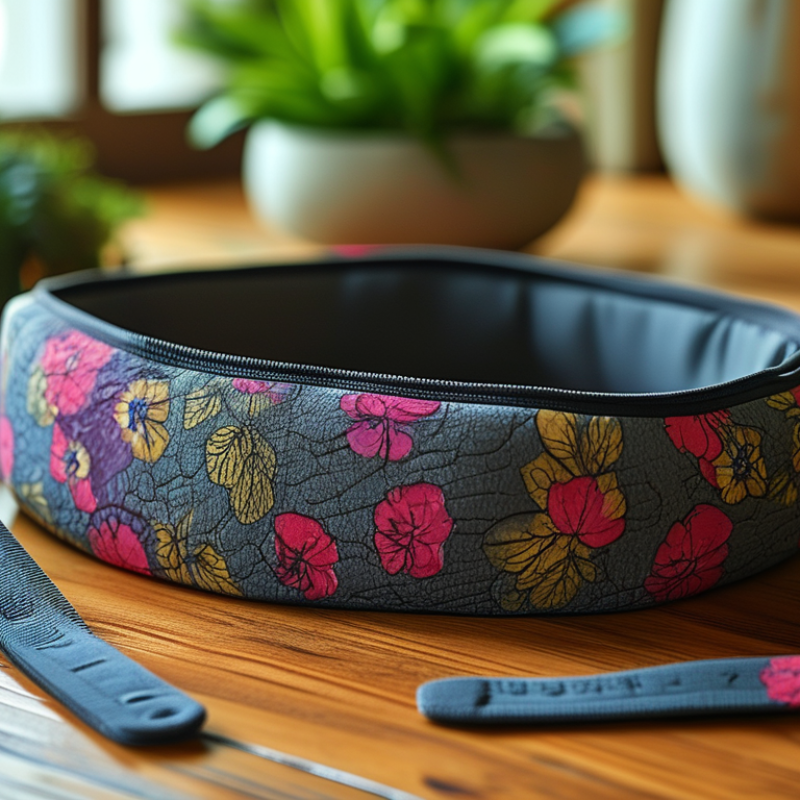
2026 How to Choose Between Shapewear and Waist Trainers?

Understanding the Basics: What are Shapewear and Waist Trainers?

When exploring body shapewear and waist trainers, it's crucial to understand their differences. Shapewear offers a smooth silhouette to enhance natural curves. In contrast, waist trainers focus on cinching the waist for a more hourglass figure. Both serve distinct purposes and can impact body image and confidence.

Statistics show that 31% of women in the U.S. wear shapewear regularly. This high percentage highlights its popularity for special occasions or everyday wear. However, waist trainers have gained traction recently. Reports indicate that 20% of women have tried waist training at least once. Many users believe in their potential for weight loss, but studies remain inconclusive. The effectiveness of these garments often relies on personal body types and expectations.

It's important to consider potential drawbacks. Prolonged use of waist trainers can lead to discomfort or even health risks, such as digestive issues. Shapewear, while comfortable, can also restrict movement. Some users report feeling self-conscious when switching from these garments to regular clothing. Thoughtful reflection on personal goals and comfort is essential in choosing the right option.

Key Differences Between Shapewear and Waist Trainers Explained

When considering shapewear and waist trainers, understanding their key differences is essential. Shapewear is designed to smooth and shape your body, creating a seamless silhouette. It typically covers various areas like the abdomen and thighs. A 2021 industry report noted that 67% of women use shapewear for special occasions. This form-fitting garment is often made from stretchy materials to ensure comfort and freedom of movement.

On the other hand, waist trainers focus on the waist area, meant to create an hourglass figure. They use more rigid materials and often require significant adjustment to fit properly. According to the American Council on Exercise, excessive use can lead to discomfort, or even injury. Studies show that around 30% of waist trainer users experience negative effects, such as breathing difficulties or rib pain. It’s crucial to weigh these risks against the desired benefits of a defined waist.

Choosing between these options should factor in personal comfort and goals. Shapewear is generally more versatile and suitable for daily wear. Waist trainers may provide more dramatic results but come with a learning curve and potential health cautions. Listening to your body’s feedback is vital in this choice.

Factors to Consider When Choosing Between Shapewear and Waist Trainers

When choosing between shapewear and waist trainers, it's crucial to consider your goals. Shapewear offers a smoothing effect. It provides comfort and enhances your natural shape. This option is great for everyday wear. You can wear it under various outfits. However, it may not provide drastic changes.

Waist trainers, on the other hand, focus on compression. They can reshape your waist over time. Many users report a significant decrease in waist size with consistent use. But, they may restrict movement. Some find them uncomfortable. It’s also essential to balance your expectations with reality. Results can vary from person to person.

Think about your lifestyle too. Shapewear is more versatile for daily activities. Yet, waist trainers may be suitable for workouts. However, long-term reliance on either may raise concerns. Will you feel comfortable all day? Reflecting on your needs will help guide your choice.

How to Determine Your Body Type and Its Impact on Your Choice

Choosing between shapewear and waist trainers is crucial. Your body type plays a significant role in this decision. Understanding your unique shape can help you select the product that enhances your silhouette effectively.

Research from the American Society of Plastic Surgeons indicates that over 60% of women use shapewear regularly. For those with an hourglass figure, shapewear can provide flattering compression without discomfort. On the other hand, individuals with apple-shaped bodies might prefer waist trainers. These can create the appearance of a smaller waist. However, it's essential to note that waist trainers can restrict movement and may not be suitable for all activities.

Experts suggest that body type should guide your choice. A pear shape may benefit more from shapewear that targets the hips and thighs. Data shows that 70% of users report a preference for shapewear that boosts confidence rather than constricts. It's essential to experiment and reflect on how each option feels during daily activities. Choose what empowers you while remaining mindful of comfort and health.

Tips for Wearing and Caring for Shapewear and Waist Trainers

Choosing between shapewear and waist trainers is a personal decision. The two serve different purposes and can impact your body and comfort in unique ways. If you opt for shapewear, it’s crucial to select the right size. A snug fit is essential, but too tight can lead to discomfort. Remember, shapewear should enhance your appearance, not constrict your breathing.

Caring for your shapewear is just as important. Hand wash it gently to maintain its elasticity and shape. Avoid harsh detergents that can damage the fabric. When it comes to waist trainers, they require a different approach. Ensure you wear them only for limited periods. Overusing them might affect your natural waist and core strength. Listen to your body; discomfort is a signal to take a break.

Both shapewear and waist trainers can offer a temporary aesthetic boost. However, you should reflect on your experience. Consider how they fit into your lifestyle and body image. Are they a confidence booster or a source of pressure? Ultimately, self-awareness is key. Your comfort should guide your choices in these garments.

FAQS

: How do I determine my body type for shapewear or waist trainers?

: Identify your unique shape—hourglass, apple, or pear. This helps in selecting the right garment for your figure.

What is the main benefit of shapewear?

Shapewear offers flattering compression. It enhances your silhouette without causing discomfort, especially for hourglass figures.

Are waist trainers suitable for everyone?

No, waist trainers might restrict movement. They may not be suitable for all body types or activities.

How should I care for my shapewear?

Gently hand wash it to maintain elasticity. Avoid harsh detergents to protect the fabric's quality.

How long should I wear a waist trainer?

Limit their use to avoid affecting your natural waist and core strength. Listen to your body for comfort.

Can shapewear boost my confidence?

Yes, many users report increased confidence. However, it's important to reflect on how they affect your body image.

What if shapewear feels too tight?

If shapewear is too tight, it can cause discomfort. Find a snug but comfortable fit to ensure easiness in movement.

Should I consider my lifestyle when choosing shapewear?

Absolutely! Reflect on how shapewear fits into your daily activities and whether it enhances or constricts your lifestyle.

What happens if I overuse waist trainers?

Overuse can affect your waist and core strength. It's vital to avoid discomfort and take breaks as needed.

Can shapewear help with my body image?

It can provide a temporary boost. Yet, self-awareness is crucial to understand its impact on your overall comfort and confidence.

Conclusion

When deciding between shapewear and waist trainers, it's essential to understand the fundamentals of both. Shapewear is designed to smooth and enhance the body's natural silhouette, while waist trainers focus on providing a tighter fit around the waist to create an hourglass shape. What is the difference between shapewear and waist trainers? Shapewear typically offers more overall support and comfort for everyday wear, while waist trainers are often used for more intense body shaping and are associated with fitness routines.

When choosing between the two, consider factors such as your body type and the desired outcome of your look. It's crucial to identify your body shape as it impacts how either garment will fit and function for you. Additionally, for optimal results and longevity, adhere to proper wearing and care guidelines to maintain the effectiveness of both shapewear and waist trainers.

Isabella

Isabella

Isabella is a dedicated marketing professional with a sharp focus on driving brand growth and engagement through strategic content creation. With an extensive background in digital marketing, she combines her passion for storytelling with her keen understanding of industry trends to deliver......