Workout leggings should stay anchored through squats, sprints, and the walk home. Yet many wearers still ask, “why do my workout leggings keep sliding down”? The problem is rarely just poor luck. A loose waistband, stretched elastane, unsuitable rise, or excessive fabric at the hips can create downward pull. Sweat may also reduce friction between the fabric and skin. That small shift becomes obvious during deadlifts.
The activewear market continues expanding, making fit and performance increasingly important. Grand View Research valued the global activewear market at approximately $412.3 billion in 2023, with continued growth projected through 2030. More choices do not guarantee better construction. Textile Exchange’s Materials Market Report 2024 recorded global fiber production at about 124 million tonnes in 2023, highlighting the enormous scale of synthetic performance fabrics. However, fiber content alone cannot explain a secure fit. Pattern design, recovery, seam placement, and waistband tension matter just as much. Your leggings should feel firm, not restrictive. A waistband that rolls after five minutes deserves attention.
This guide examines practical causes and realistic fixes. You will learn how to check size, rise, fabric recovery, and waistband structure at home. Try a bodyweight squat in front of a mirror. Notice whether the waistband drops, rolls, or pulls from the thighs. I once blamed every slipping pair on sizing, but that assumption was incomplete. Different bodies need different proportions. The right solution may involve another rise, a stronger waistband, or simply replacing worn fabric.
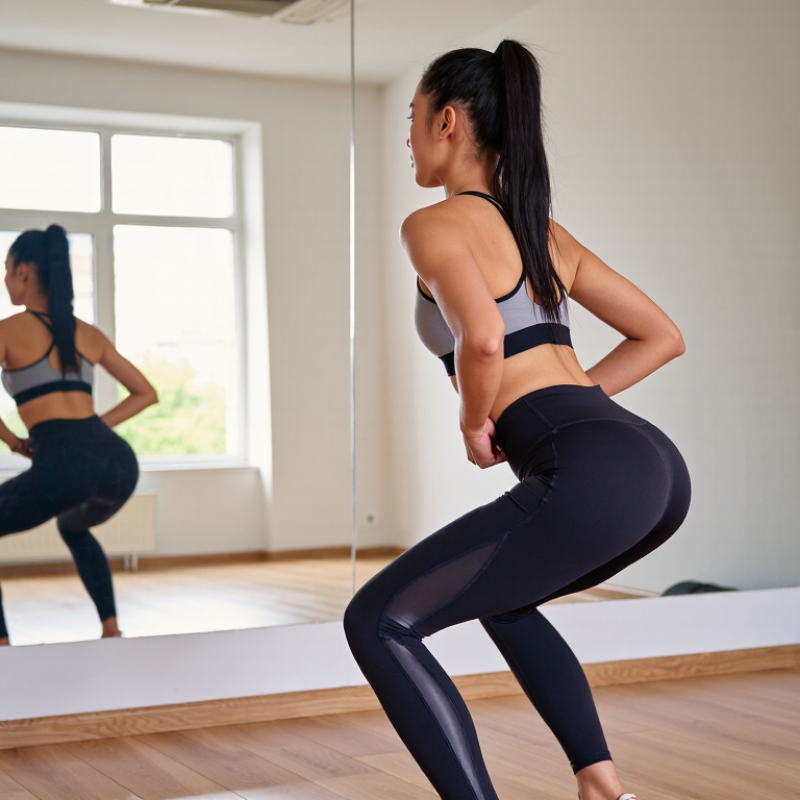
Workout leggings usually slide down because the waistband is not matching your body or movement. A loose waist leaves a gap when you bend, squat, or run. A tight waist can also roll downward under pressure. Check the waistband while standing and sitting. It should feel firm without pinching your skin. The back should stay close to your lower spine.
Fabric and construction matter too. Stretchy material may lose recovery after repeated washing, especially with hot water or high dryer heat. Smooth fabric can move more when sweat builds up. A very soft pair may feel comfortable but lack enough compression for running. The rise also changes the fit. Low-rise leggings often expose a gap above the hips during deep squats. High-rise leggings can slide if the torso length is too short.
Your body position can reveal the real cause. Try ten squats, a forward fold, and a short jog before deciding the fit is wrong. Watch whether the leggings move from the waist, hips, or inner thighs. I once blamed the waistband, but the fabric was actually bunching behind my knees. That small detail changed the fit assessment. Uneven seams, stretched elastic, or pockets filled with a phone can pull the leggings down. Check those factors separately. If the waistband shifts only after sweating, moisture and fabric friction may be the main issue. Rescue adjustments are imperfect. A drawstring can help, but it should not replace a suitable cut.
| Common Cause | What You May Notice | Why It Makes Leggings Slide | Practical Check | Recommended Solution |
|---|---|---|---|---|
| Waistband is too loose | The waistband gaps away from the lower back or can be pulled several centimetres from the body. | The waistband cannot create enough consistent contact and tension to resist downward movement. | Bend, squat, and raise both arms. Check whether the waistband separates from the skin. | Try a smaller size only if the fabric is not excessively stretched. Choose a fitted waistband with a secure internal elastic or drawcord. |
| Waistband is too tight | The waistband rolls, digs into the abdomen, or creates a visible fold below it. | A tight band may roll or be pushed downward during trunk flexion, especially when the fabric is under high tension. | Sit, hinge forward, and perform a deep squat. Look for rolling rather than simple looseness. | Try a different size, rise, or waistband construction. The band should feel secure without restricting breathing or movement. |
| Incorrect size or fit | Excess fabric appears at the crotch, seat, or knees, or the fabric is stretched shiny across the hips. | Loose areas allow movement, while excessive tension can pull the waistband down as the legs and hips move. | Check the squat test, crotch fit, seat coverage, and whether the fabric remains evenly opaque. | Use the garment’s measurement chart and select the size that fits the largest relevant body measurement, not just the usual size label. |
| Rise is too short | The waistband drops below the intended position or repeatedly moves down from the back. | Limited vertical length places tension between the crotch and waistband, encouraging the garment to move downward. | Pull the waistband to the desired height and walk, squat, and hinge. If it immediately returns lower, the rise may be insufficient. | Choose a higher-rise cut or a pattern with more room through the torso and seat. |
| Fabric has low friction or excessive smoothness | The leggings feel slippery against the skin and move more during walking or running. | Smooth fabric can provide less grip, allowing repeated body motion to overcome the waistband’s hold. | Compare movement when the skin and fabric are dry, then repeat after sweating. | Select performance fabric with reliable stretch recovery and a waistband designed for training rather than purely casual wear. |
| Sweat and moisture buildup | Sliding becomes worse as the workout gets hotter or more intense. | Moisture can reduce skin-to-fabric friction and may add weight to fabric that is already moving. | Observe whether the problem is minor at the start of exercise but increases with perspiration. | Use moisture-managing clothing, choose a secure waistband, and change out of damp leggings after training. |
| Insufficient stretch recovery | The leggings fit well when new but feel looser after repeated wear or washing. | A fabric that does not return close to its original shape may gradually lose the tension needed for a stable fit. | Lay the garment flat after washing and compare its waistband shape with its original fit. | Follow the care label, avoid excessive heat when instructed, and replace garments that remain permanently stretched. |
| Waistband rolls during movement | The top edge folds inward or downward after sitting, bending, or running. | Rolling changes the band’s shape and reduces the stable surface holding the leggings in place. | Mark the waistband’s original position, then perform repeated bends and check whether it folds. | Try a wider, structured waistband or a different rise. Avoid folding the band down manually. |
| Drawcord is missing or not adjusted | The garment otherwise fits well but loosens during running, jumping, or repeated changes of direction. | A functional drawcord can provide additional adjustment when elastic alone does not maintain a stable fit. | Check whether the cord is present, centered, untwisted, and secure enough to hold without discomfort. | Tie the cord with a comfortable, secure knot or select leggings with an adjustable waistband. |
| Movement pattern creates repeated downward force | Sliding is most noticeable during running, jumping, cycling, squats, or frequent bending. | Repeated hip and knee flexion causes the fabric to shift, especially when fit, rise, or waistband stability is marginal. | Test the leggings in the exact activity where the problem occurs rather than only while standing. | Choose activity-specific support, check the fit in motion, and adjust the waistband before starting the workout. |
| Incorrect care or product aging | Elastic feels less resilient, seams look stressed, or the waistband no longer lies flat. | Heat, harsh washing conditions, friction, and normal wear can damage elastic fibers and reduce fit stability. | Inspect the waistband, seams, and fabric recovery after washing and drying. | Follow the care label, avoid unnecessary high heat, wash with similar fabrics, and replace visibly deteriorated garments. |
The size, rise, or fabric may not match your body. A loose waistband loses contact during movement. A small size may roll down when you squat.
It should feel secure without digging into your skin. It should lie flat across your stomach. Too much pressure can restrict comfortable breathing.
Walk, bend, jog, squat, and raise one knee. Check whether the waistband rolls or gaps. Movement reveals more.
Not automatically. Measure your waist and hips, then compare both with the size chart. Choose the larger size when measurements fall between sizes.
A high-rise cut often stays secure during running or strength training. However, excessive height may fold when the torso length is wrong. The fit still needs testing.
Choose a firm blend with stretch and recovery. It should stretch over your hips and return smoothly. Very soft fabric may lose support during exercise.
Yes, moisture can change how fabric grips your skin. Moisture-wicking material may reduce slipping. Test the leggings during a realistic workout, not only indoors.
Tighten it gently and tuck it securely. Pulling too hard can create pressure around your waist. Small adjustments work better.
Follow the care label. Fabric softener may weaken stretch and reduce grip. A careful wash can help preserve the original fit.
Try a different rise, cut, or fabric blend. A short trial session can prevent constant adjustments. My color-focused choice once looked great but shifted every few minutes. That mistake reminded me to test movement, not appearance. No method fits every body.
Workout leggings may slide down because the waistband is too loose, the rise does not suit your body shape, or the fabric lacks enough stretch and recovery. If you wonder, “why do my workout leggings keep sliding down,” start by checking the size and fit. Choose leggings that feel supportive without cutting into your waist, and consider a high-rise design with a secure, comfortable waistband. Fabrics with strong stretch, moisture control, and good shape retention can also provide better stability during movement.
Before exercising, adjust the waistband so it sits evenly and check that the leggings are fully pulled up without excess fabric around the hips or knees. A drawstring or a properly designed internal grip can offer additional support when needed. During washing, follow the care instructions, avoid excessive heat, and inspect the waistband and seams regularly. Replacing leggings when the elastic becomes weak will help prevent repeated slipping and keep your workouts more comfortable.

 Jungle Clothing