Choosing everyday underwear is more than a matter of color, style, or price. Fabric touches delicate skin for many hours, while heat, sweat, friction, and tight elastic can affect comfort. This guide explores China’s top 10 types of underwear for healthy daily wear, including cotton briefs, modal styles, bamboo-derived fabrics, seamless designs, boyshorts, high-waisted options, and breathable athletic underwear. Each type offers practical benefits, but none is perfect for every body.
Many dermatology recommendations emphasize breathable materials, gentle fit, clean laundry habits, and changing underwear after heavy sweating. These details matter. A soft cotton gusset can feel cooler during a humid commute, while smooth seams may reduce rubbing under fitted trousers. However, fabric labels can be confusing, and “natural” does not always mean healthier. Manufacturing quality, dye, stretch fibers, and personal sensitivity also deserve attention. Small differences matter.
So, what type of underwear is healthiest for daily wear? The honest answer depends on your skin, activity level, climate, and fit preferences. Someone working in an air-conditioned office may choose differently from someone cycling through a hot Chinese summer. Loose underwear can improve airflow, yet it may bunch beneath clothing. Seamless designs look clean, but some synthetic blends hold heat for certain wearers. This article compares comfort, breathability, moisture management, support, and care instructions. It also recognizes an important limitation: product claims are not always consistent, and personal experience can challenge general advice. A practical choice should feel comfortable, stay dry, and remain gentle after repeated washing.
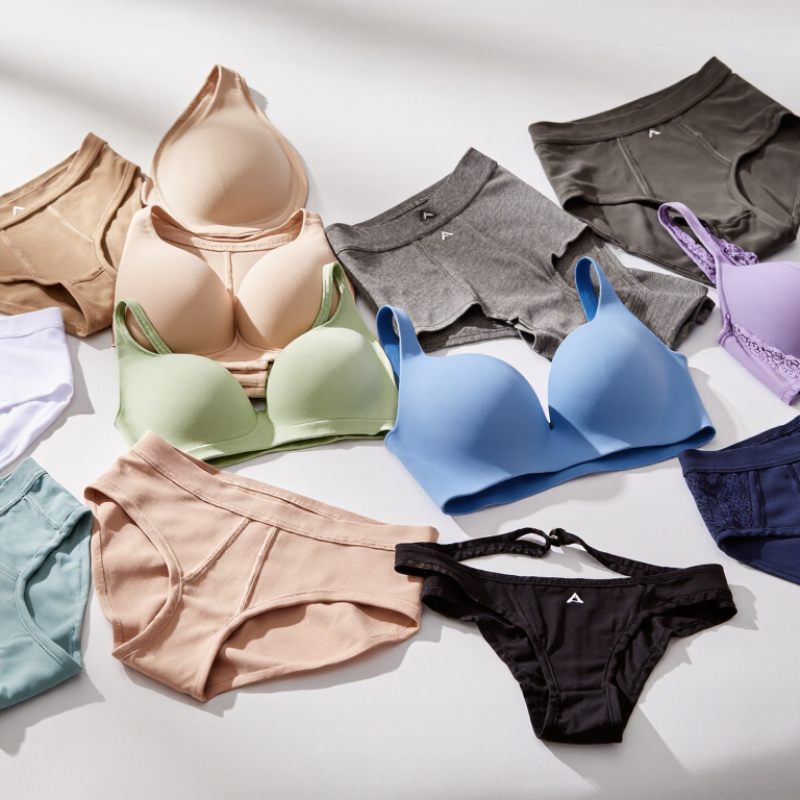
Understanding the Top 10 Types of Underwear for Healthy Daily Wear in China starts with climate, movement, and personal comfort. In humid summers, breathable fabric and quick drying matter during commuting. The ten common choices are briefs, boxer briefs, loose boxers, trunks, bikinis, hipsters, boyshorts, high-waisted briefs, thongs, and seamless underwear. Each design changes airflow, coverage, and friction.
Cotton briefs can feel cool and familiar, while modal blends often feel smoother against sensitive skin. Boxer briefs may reduce thigh rubbing during cycling or long workdays. Loose boxers provide airflow but can bunch under fitted trousers. Trunks offer shorter coverage. Bikinis and hipsters balance light coverage with easy movement. Boyshorts cover more of the upper thigh. High-waisted briefs may feel secure under skirts or high-rise pants. Thongs reduce visible lines, but they are not comfortable for everyone. Seamless styles help under close-fitting clothes, although some synthetic fabrics may trap heat.
Fit is more important than fashion. A waistband should rest flat, not leave deep marks. Seams should not press into the groin or inner thigh. Change underwear daily, especially after exercise, and wash it thoroughly before complete drying. Follow the fabric care label. I once assumed tighter underwear was always more supportive; that was too simple. Heat, sweat, skin sensitivity, and activity can change the better choice. Persistent itching, pain, or irritation deserves advice from a qualified healthcare professional. No single style suits every body.
Typical coverage by underwear style
Coverage index is a qualitative design comparison, not a clinical rating: 1 indicates less fabric coverage and 5 indicates more. Fit and coverage vary by cut and manufacturer. For everyday comfort, choose breathable fabric and a fit that does not rub or restrict movement.
Underwear works best when its cut suits your clothes and routine. Briefs offer steady coverage under work trousers, while bikini styles sit lower on the hips and pair easily with jeans. Hipsters have wider sides, which can feel secure beneath casual outfits. Boyshorts cover more of the upper thigh; they may bunch under fitted pants, though. Small details matter.
High-waisted styles provide a broader waistband and extra coverage beneath skirts or loose dresses. Thongs reduce visible lines under close-fitting clothing, but comfort depends on fit and personal preference. Seamless underwear has smooth edges that lie flatter under thin fabrics. It is not always invisible, especially when the color contrasts with your clothing. Cotton styles are breathable and practical for everyday wear, while modal often feels softer and drapes lightly. Check the fabric label, since blends vary.
For exercise, supportive underwear with moisture-managing fabric may feel more comfortable than a loose cut. A snug fit should stay in place without pinching or leaving deep marks. Fit is personal. I have found that one style rarely works for every outfit or season. Even a well-made pair can feel wrong after a long, warm commute, so comfort deserves a real-world test.
Breathable underwear can make ordinary days feel noticeably more comfortable, especially in warm weather or during long hours of sitting. Cotton allows airflow and absorbs moisture, while modal and some lightweight blends can feel smooth against the skin. Fabric labels help, but the way a garment fits matters too. A tight waistband or rough seam may cause rubbing, even when the fabric seems soft in your hand.
For daily wear, look for underwear that feels gentle, stays in place, and does not trap too much heat. A cotton gusset can be a practical feature in many styles. After washing, let garments dry fully before wearing them; damp fabric can feel uncomfortable.
Change after exercise or heavy sweating, and follow the care instructions to help preserve the fabric. Small details count.
No fabric suits everyone. Skin sensitivity, climate, activity, and personal preference all affect comfort, so trying a few cuts may be more useful than following a single rule. I have found that a label promising “breathability” is not enough; the garment still needs to feel comfortable after several hours. If itching or irritation persists, stop wearing the item and consider asking a qualified health professional for advice.
A healthy fit should support movement without leaving deep marks. For everyday wear, check the waistband while sitting, then reach overhead and take a few steps. It should stay in place without digging into your skin. Leg openings should lie flat, and seams should not rub when you bend. A close fit is not always a better fit. If fabric pulls across the hips or shifts during a walk, try another cut or size.
The Textile Exchange Materials Market Report 2024 estimates that polyester made up 57% of global fiber production in 2023, while cotton accounted for about 20%. These figures describe supply, not comfort; fiber choice alone cannot guarantee a healthy fit. Cotton may feel familiar and breathable, while stretch blends can move with the body. Fabric weight, construction, and personal sensitivity matter too. I still find that a soft fabric can feel irritating if the seam sits in the wrong place.
Tips
Try the underwear under your usual trousers and sit for several minutes. Check for pinching, bunching, or dampness after normal activity. Keep the pair that feels secure, not restrictive. Small details matter. Replace stretched-out elastic when it stops holding its shape.
Healthy daily wear depends less on fashion and more on routine. In my experience, breathable cotton, modal, and moisture-wicking blends feel different after a long commute. Still, even the best fabric cannot replace regular washing. Change underwear daily, or sooner after sweating, exercise, or swimming. Wash hands before handling clean garments, and dry them completely before storage. Damp fabric can develop an unpleasant smell quickly.
A 2023 review in the International Journal of Environmental Research and Public Health links poor clothing hygiene with greater microbial contamination, especially when garments remain warm and damp. However, underwear-specific replacement intervals are not firmly standardized. That uncertainty matters. Inspect the waistband, seams, and fabric surface every few weeks. Thin areas, stretched elastic, persistent odor, and rough texture suggest replacement. I sometimes kept comfortable underwear too long, which was convenient but not particularly hygienic.
Replacement should also avoid unnecessary waste. WRAP’s Valuing Our Clothes report found that extending clothing life by nine months could reduce carbon, water, and waste footprints by about 20–30%. Choose durable construction, but do not force continued use when fabric loses its protective fit. A practical rotation includes enough pairs for several days, plus a few spare pairs for hot weather or travel. Wash according to the care label, use adequate detergent, and avoid overfilling the machine. Clean underwear should feel dry, odor-free, and secure against the skin.
Briefs suit work trousers, while bikini styles sit lower under jeans. Hipsters offer wider sides for casual outfits. Boyshorts cover the upper thighs but may bunch under fitted pants.
Its broader waistband and extra coverage can work well under skirts or loose dresses. Check that the waistband feels comfortable when sitting.
No. Thongs may reduce lines under close-fitting clothes, and seamless edges can lie flatter. Contrasting colors may still show through thin fabric.
Cotton is breathable and practical. Modal often feels softer and drapes lightly. Fabric blends vary, so check the label.
It should stay in place without pinching or leaving deep marks. Moisture-managing fabric may feel more comfortable than a loose cut.
Try it under your usual trousers. Sit for several minutes, reach overhead, and take a few steps. Watch for rubbing, bunching, or pressure.
No. Fabric that pulls across the hips or shifts while walking may signal a poor fit. A soft fabric can still irritate if a seam rubs.
Replace a pair when stretched elastic no longer holds its shape. It may be worth checking after a few washes.
Choosing healthy underwear for daily wear in China means balancing comfort, breathability, fit, and hygiene. Different styles suit different activities and preferences: briefs and high-rise designs offer more coverage, while boxer briefs and trunks provide a closer fit and freedom of movement. The best choice depends on your body, clothing, and daily routine rather than on style alone. When considering what type of underwear is healthiest for daily wear, prioritize soft, breathable fabrics that help manage moisture and reduce friction, especially if your skin is sensitive.
A comfortable fit should stay in place without pinching, digging in, or restricting movement. Check that waistbands and seams feel gentle, and choose a size that allows you to move easily throughout the day. Wash underwear regularly according to its care instructions, dry it thoroughly, and replace garments when the fabric becomes worn, stretched, or difficult to keep clean. These simple habits can support everyday comfort and skin health.
