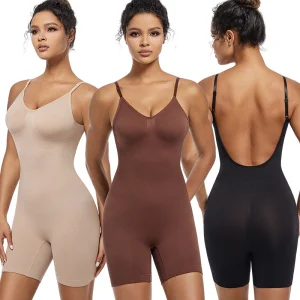
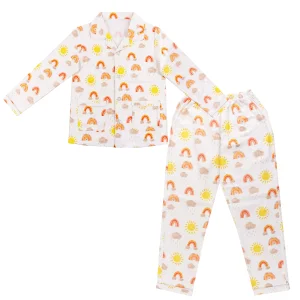
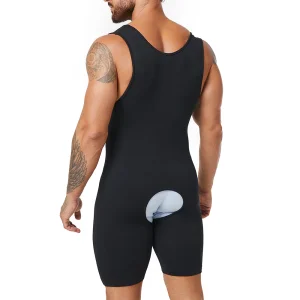
Engineered with cutting-edge textiles and tailored structural support, custom-designed to enhance mobility, comfort, and shape alignment.
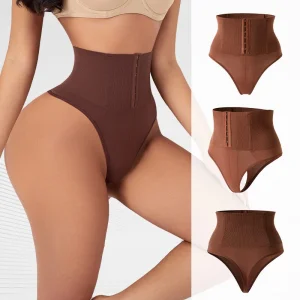
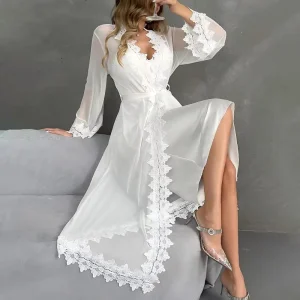
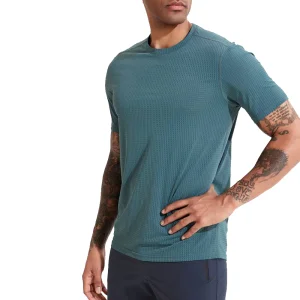
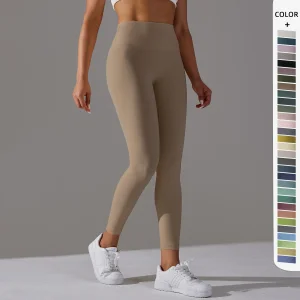
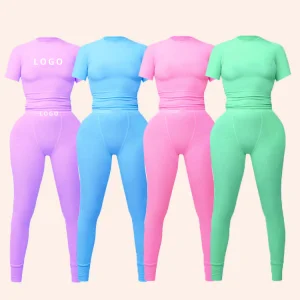
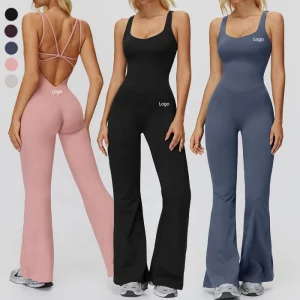

A comprehensive examination of global fitness supply chain transitions, dynamic material integration, and shifts in international consumer demands.
The global fitness equipment and athletic apparel industries have entered an era of profound transformation. Once regarded as mere studio accessories,
Modern consumers demand that materials satisfy complex chemical and physical criteria. For instance, in the yoga mat sector, traditional PVC compounds are rapidly giving way to thermoplastic elastomers (TPE), biodegradable natural tree rubbers, and high-performance polyurethane (PU) formulations. These materials are chosen for their high coefficient of friction (both wet and dry), dimensional stability, and lack of harmful off-gassing. Simultaneously, the activewear segment has shifted toward seamless knitting technologies and intelligent compression fabrics, prioritizing durability, moisture-wicking capability, and skin-friendly profiles.
Major global distributors, institutional buyers, and boutique wellness franchises no longer purchase equipment and apparel in isolation. They seek comprehensive OEM/ODM manufacturing ecosystems capable of producing matching lines of performance gear, such as compression leggings, shapewear, and specialized high-traction mats. Ensuring brand consistency across diverse fabric blends and polymer types requires an advanced level of material expertise and strict quality control standards across all production runs.
Global logistics demand conformance to REACH, RoHS, OEKO-TEX Standard 100, and California Proposition 65 regulations, ensuring zero toxic plasticizers or skin irritants.
Deployment of open-cell and closed-cell polymer combinations, optimized density metrics, and sweat-resistant, anti-microbial surface treatments.
Mitigation of systemic supply delays through vertically integrated fabric mills, high-capacity extrusion lines, and optimized shipping pathways.
Established in 2005, Zhejiang Jungle Clothing Co., Ltd. has developed into a premier, industrial-grade manufacturer specializing in the advanced R&D, design, and vertical production of premium activewear, compression shapewear, and functional accessories. Over our 20-year history in activewear manufacturing and 15 years of global trade service, we have earned a reputation for technical precision, supply chain reliability, and manufacturing flexibility.
Our factory spans a highly optimized industrial floor plan, operating 15 state-of-the-art production lines integrated with more than 400 specialized sewing machines and computerized knit machines. Guided by strict quality management protocols, our facility maintains active certifications under BSCI and ISO 9001:2016, validating our dedication to international labor compliance and precise product auditing.
Pioneering active apparel and functional textile fabrication since 2005.
Parallel manufacturing stations optimized for high-volume delivery.
Advanced electronic lockstitch and multi-thread flatlock machinery.
Systematically audited under strict social compliance codes.
From initial material weaving to high-precision computerized cutting and rigorous mechanical stress testing, our physical footprint represents true industrial capability.
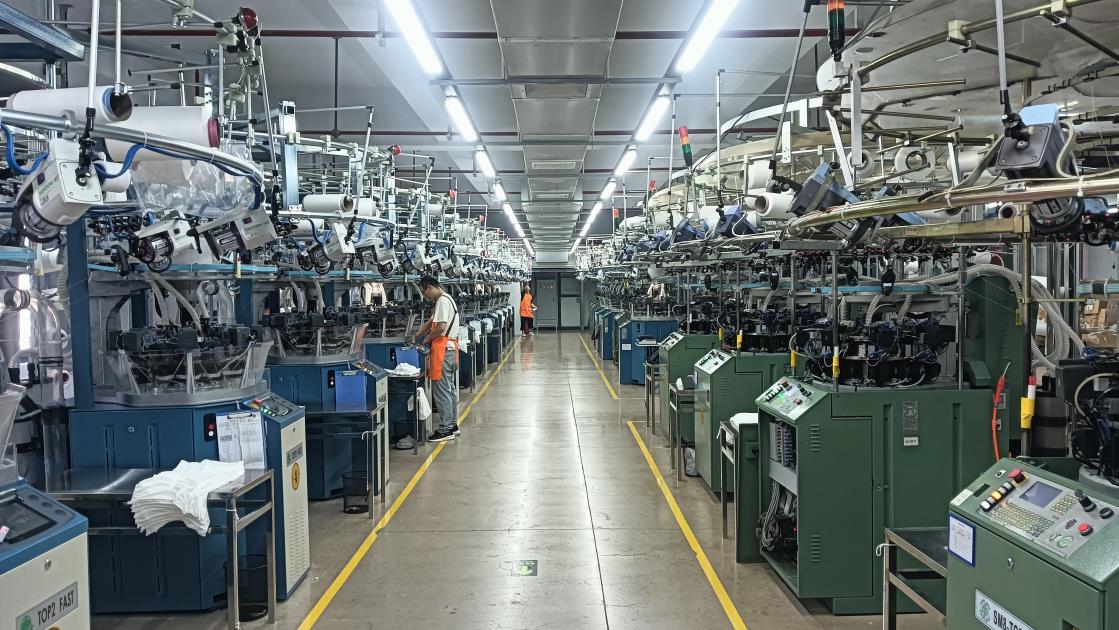
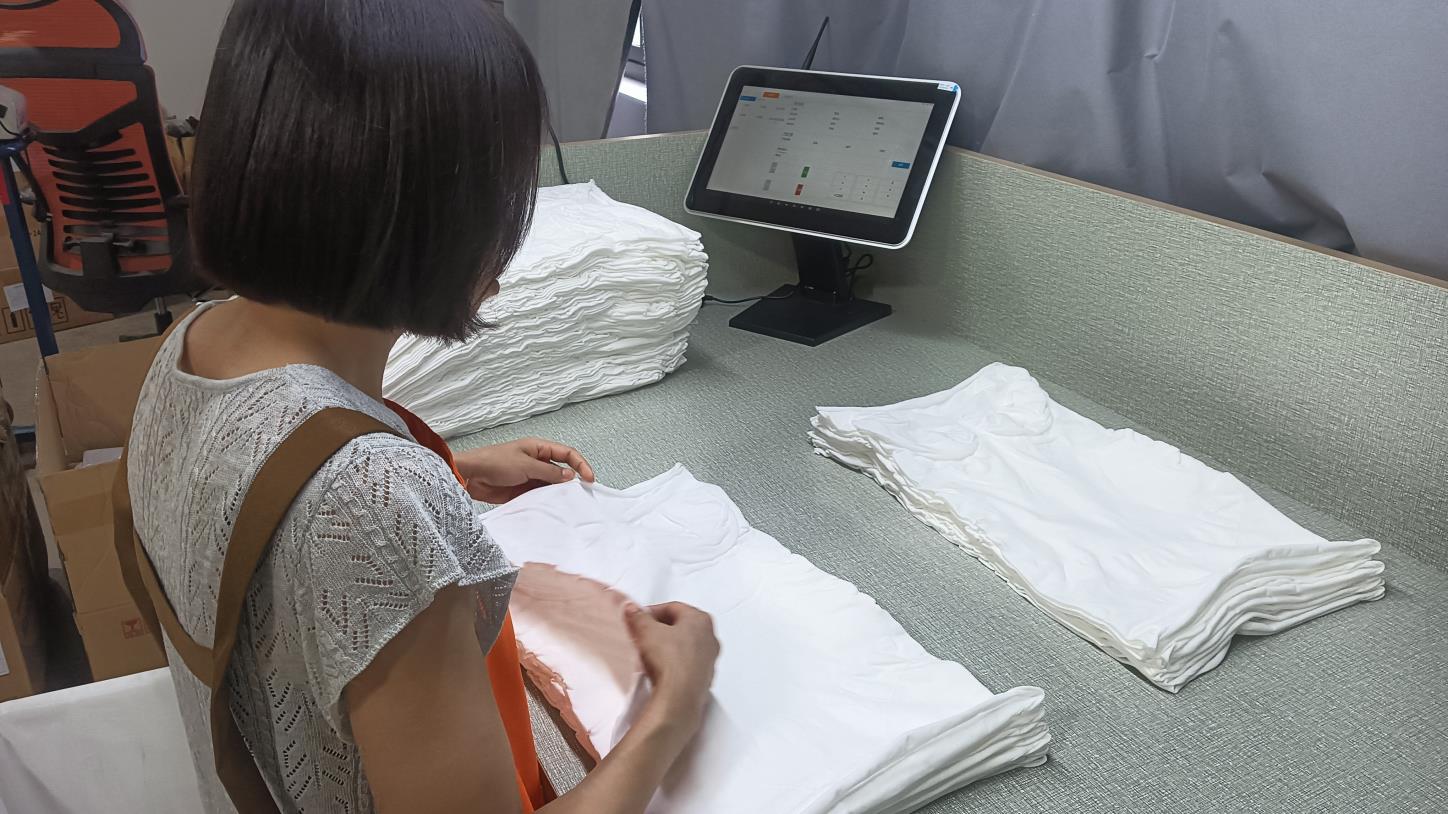
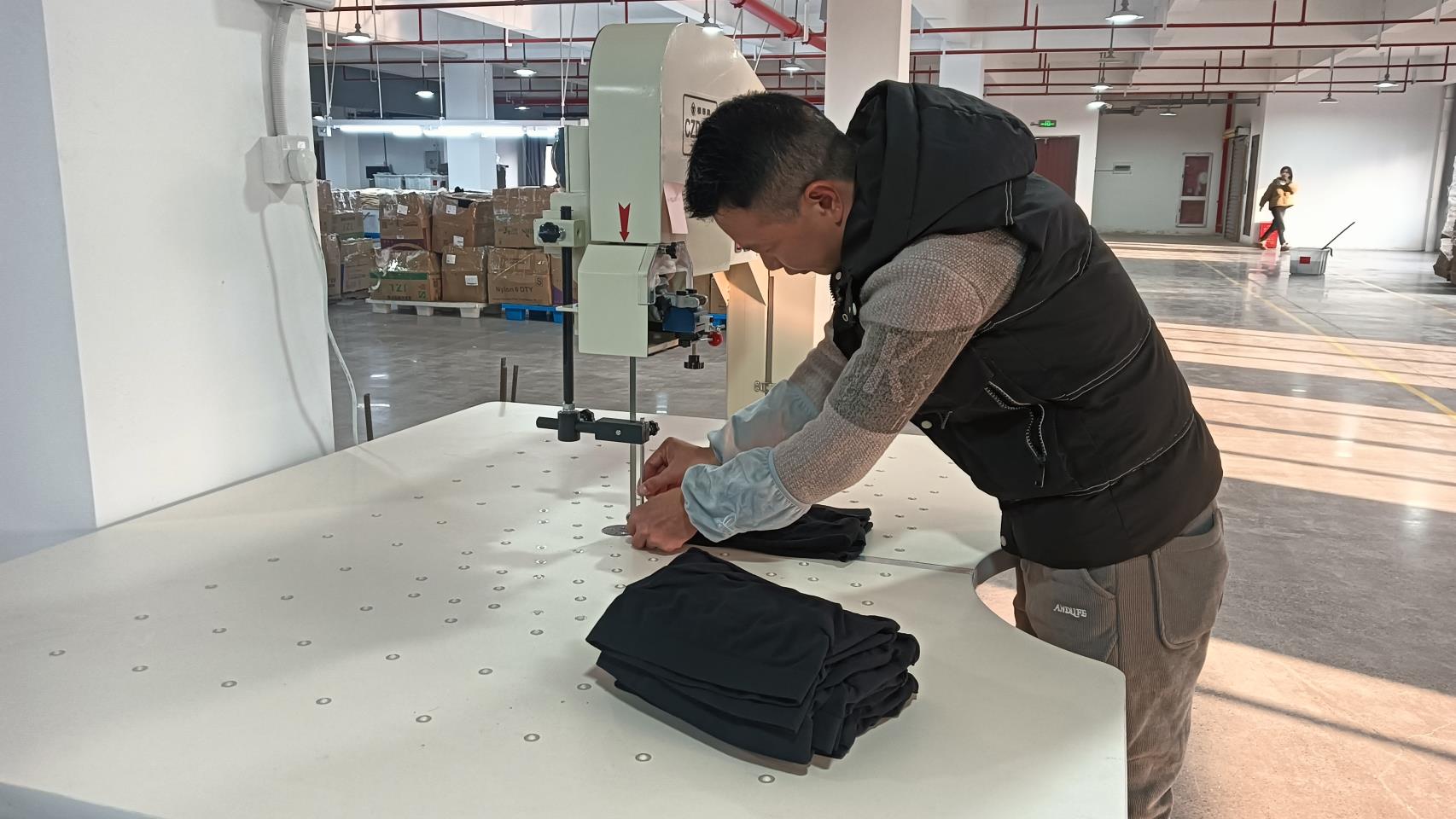
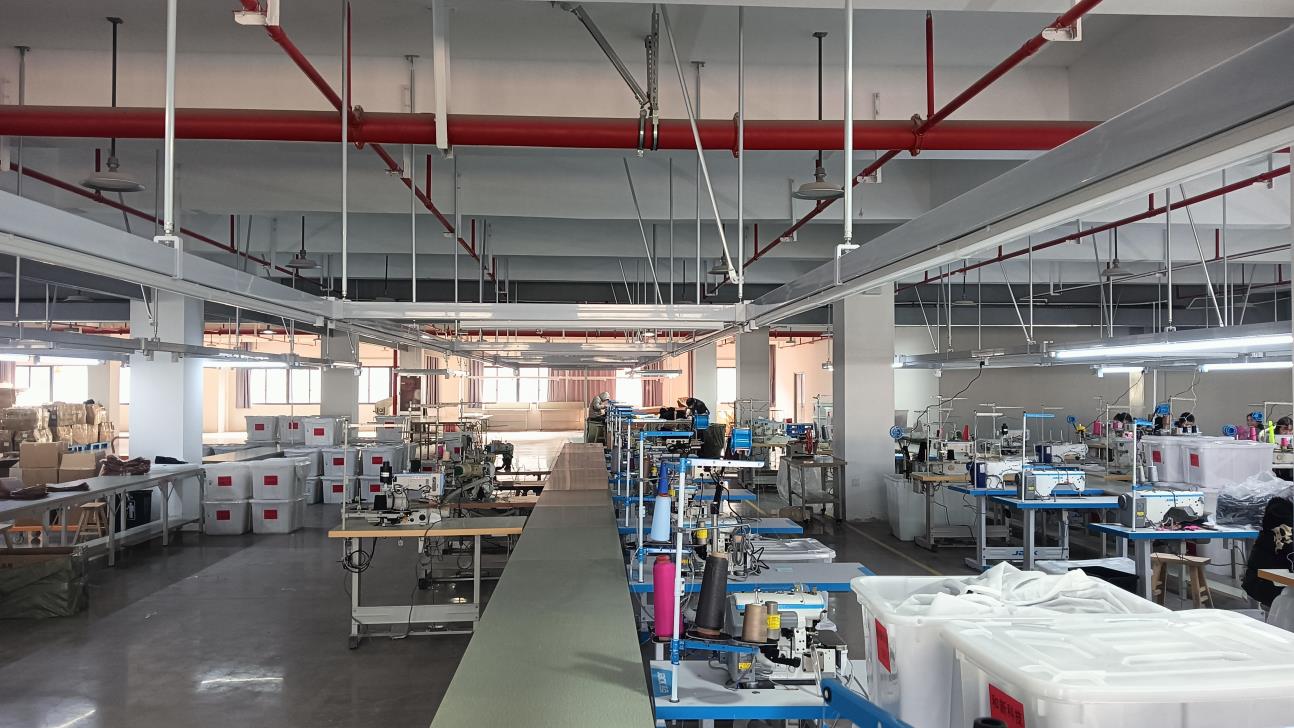
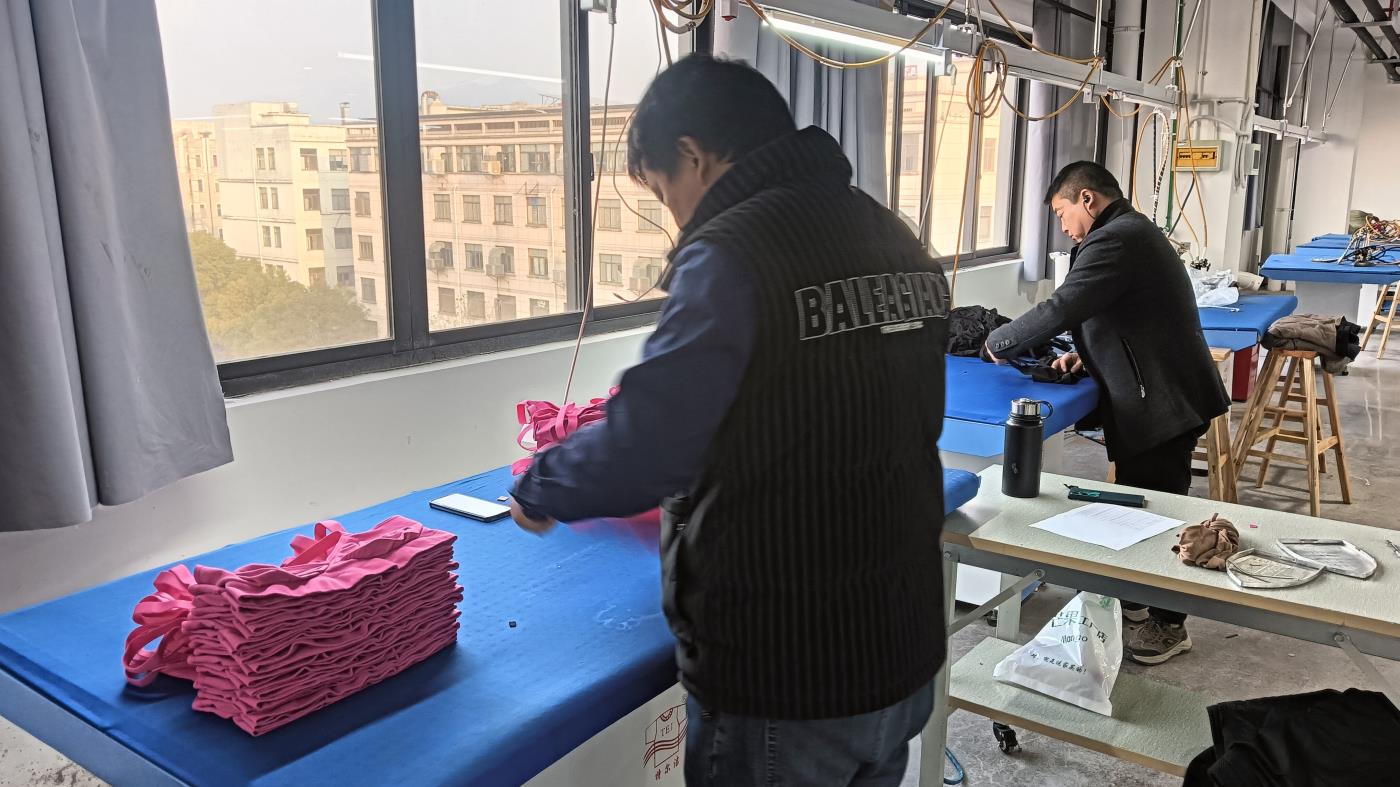
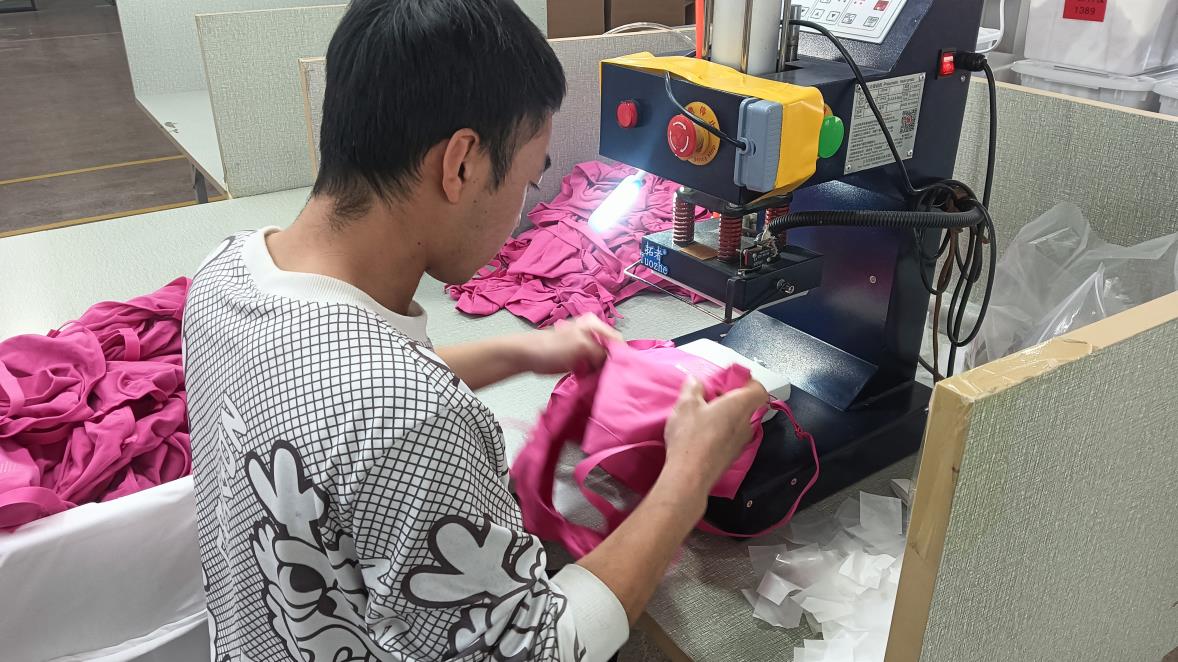
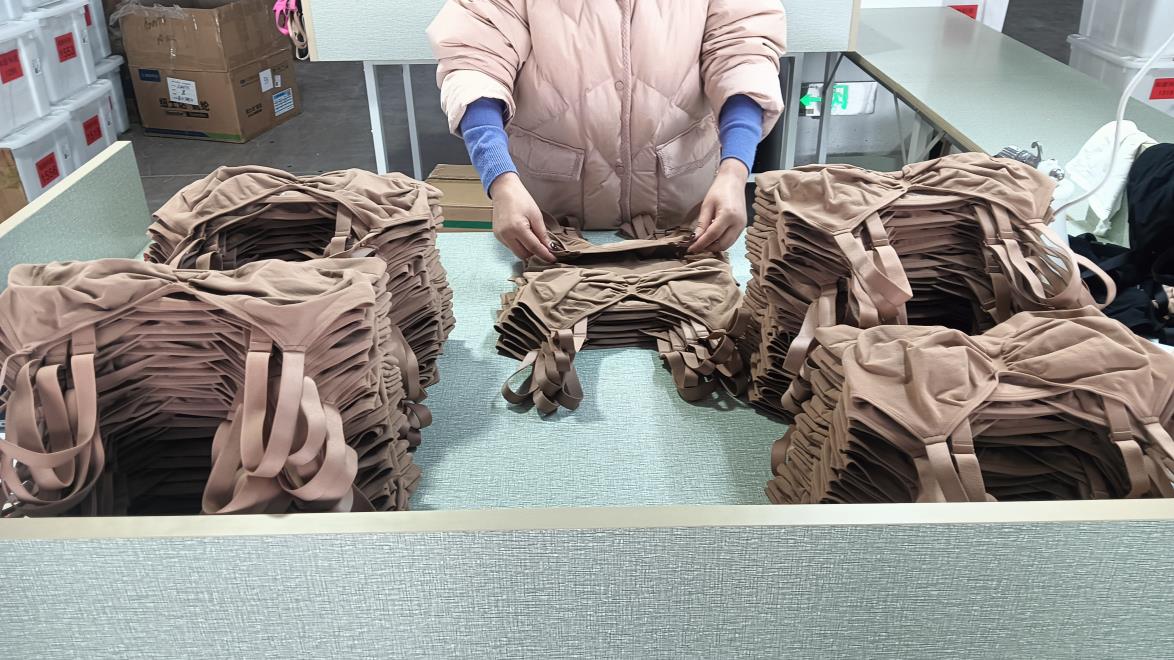
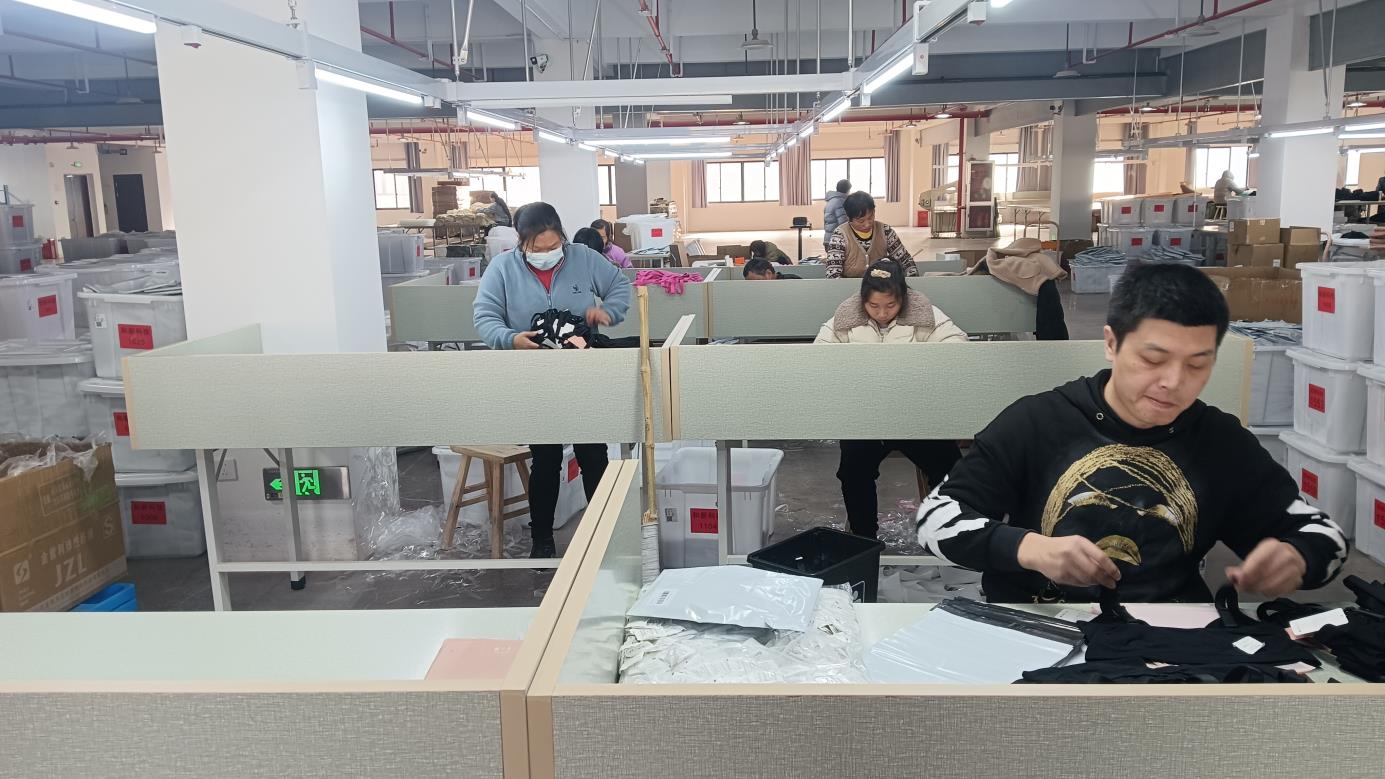
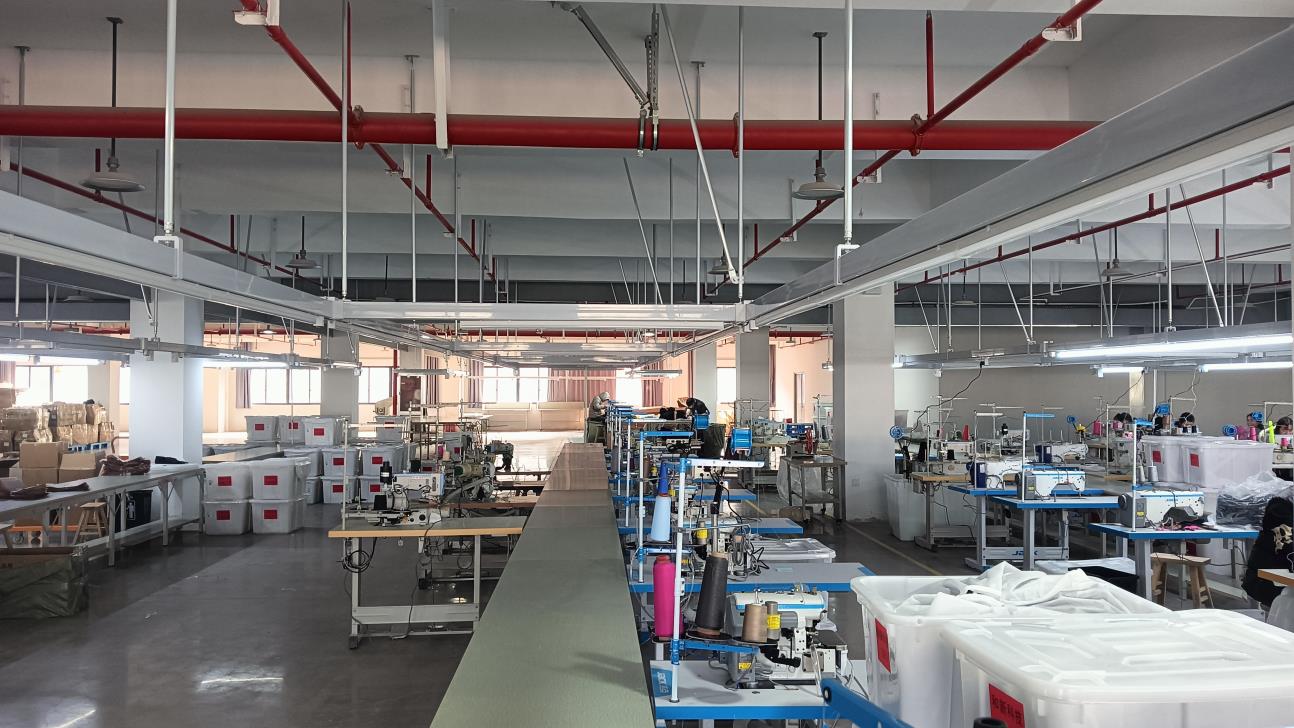
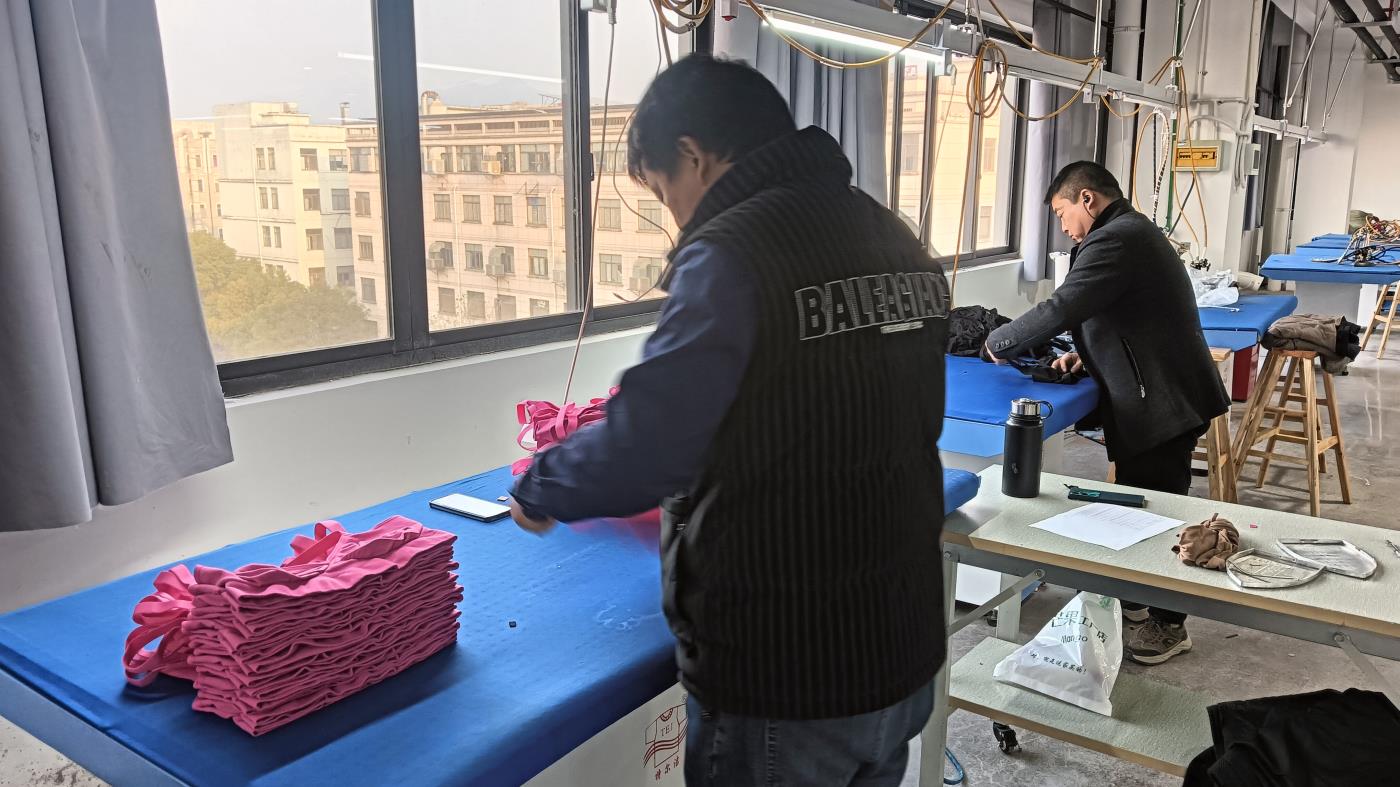
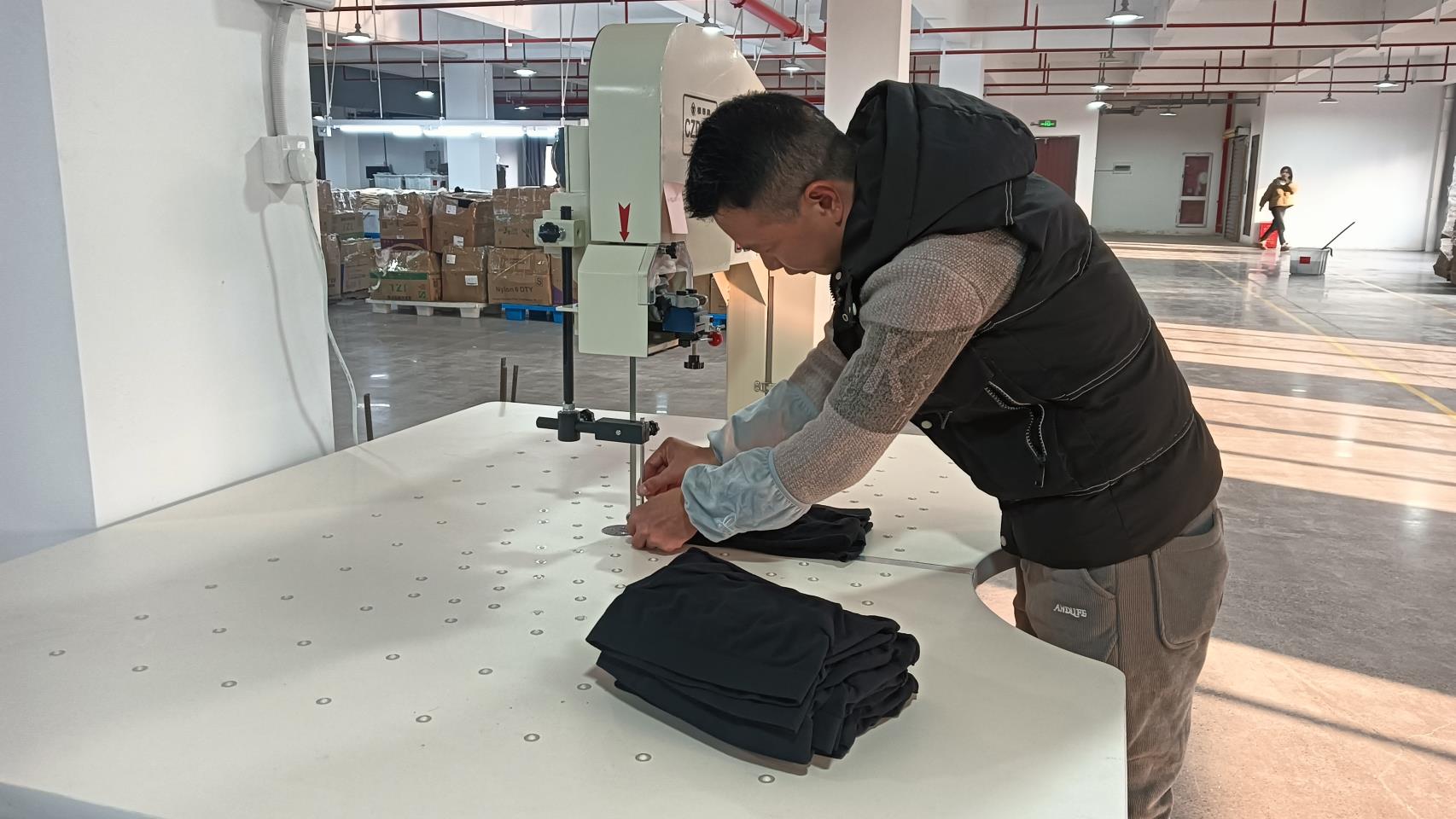
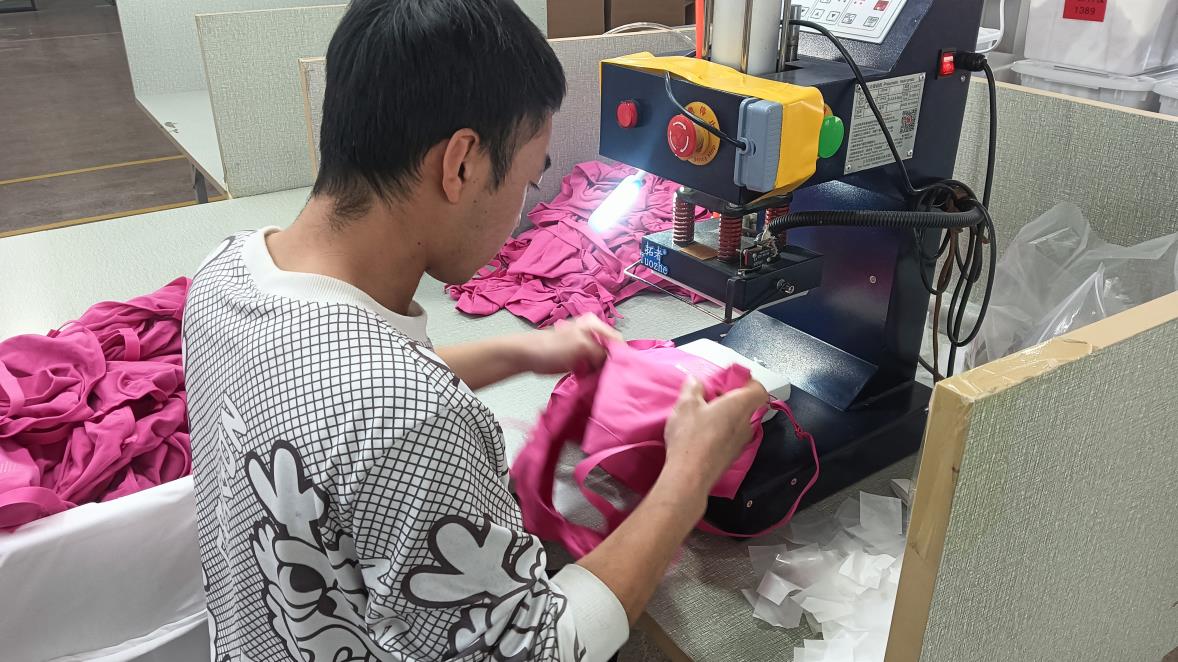
The synergy of specialized manufacturing hubs, integrated raw material markets, and automated technological control systems.
China's position at the forefront of fitness equipment and activewear production is driven by highly integrated supply chain clusters. In provinces like Zhejiang, raw materials, engineering labs, and logistics centers are located in close proximity. This geographic density enables manufacturers to respond rapidly to changing product designs, significantly reducing lead times for custom OEM requests.
At Zhejiang Jungle Clothing Co., Ltd., we leverage this infrastructure to build a highly responsive production line. The integration of fabric weaving, computer-aided cutting, and advanced sewing technology allows us to handle complex modifications quickly. What might take several weeks in fragmented supply environments can be resolved in days within our manufacturing loop.
In addition, our proximity to advanced polymer formulation hubs gives us access to clean, odor-free, non-toxic materials (including TPE, NBR, natural rubber, and high-traction PU). This ensures we can source high-grade ingredients that meet strict European and American import standards at competitive costs.
Matching performance properties with specific target markets and environmental requirements.
Requires premium, heavy-duty mats that withstand frequent sanitization, alongside matching, high-stretch uniforms for instructors and staff.
Demands custom-branded packaging, distinct colorways, fast product turnaround, and low minimum order quantities for pilot collections.
Prefers lightweight, portable yoga gear and comfortable, custom-embroidered loungewear suitable for corporate fitness programs.
Exploring the integration of sustainable chemistry, smart textile engineering, and circular design.
The yoga and activewear industry is moving rapidly toward a circular product lifecycle. The transition toward circularity is reshaping every design decision. Future-oriented brands are phasing out single-use petrochemical fibers in favor of post-consumer recycled polyesters (e.g., rPET sourced from ocean plastics) and bio-based polyamides derived from renewable sources. These advanced yarns maintain high performance while reducing environmental impact.
In the mat sector, manufacturing processes are shifting toward thermobonding techniques that eliminate chemical adhesives. Advanced textures are molded directly onto surfaces, providing reliable grip without chemical coatings that wear off. At the same time, antimicrobial properties are being integrated directly into the polymer matrix using natural minerals rather than chemical washes, ensuring long-lasting freshness.
In activewear design, ergonomic compression mapping and seamless construction are setting new standards. By eliminating traditional seams, manufacturers reduce rub points, increase garment life, and lower production fabric waste by up to 35%.
A rigorous checklist for evaluating activewear and yoga mat factories on technical, social, and structural criteria.
When sourcing activewear and yoga mats on a global scale, procurement managers must evaluate several technical metrics to ensure quality and brand integrity:
1. Material Density and Tensile Strength: High-quality mats require an optimized density profile. TPE mats should fall between 0.11 and 0.15 g/cm³, while rubber mats are typically denser to provide stable joints. Activewear fabrics should show excellent recovery profiles under cyclic tensile stress, preventing bagging at knees and elbows.
2. Colorfastness and Chemical Testing: Products must maintain color integrity under exposure to simulated sweat, washing, and friction. Fabrics should achieve a Grade 4 rating or higher in AATCC washing tests. Every raw material batch should be certified free of lead, cadmium, phthalates, and banned azo dyes.
3. Compliance with Social Standards: Factory working conditions must align with global social standards. A valid BSCI audit report shows a commitment to fair compensation, workplace safety, and ethical production practices, helping protect importing brands from supply chain liabilities.
Answers to common questions regarding OEM customization, production capacity, compliance, and ordering processes.
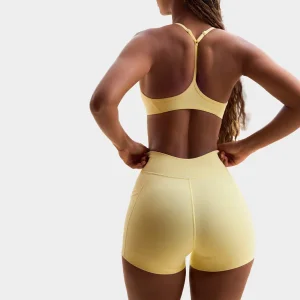
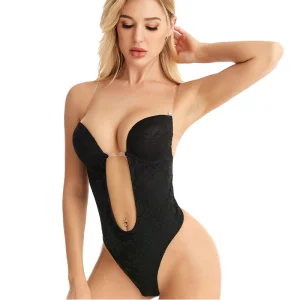
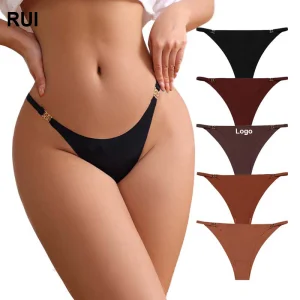
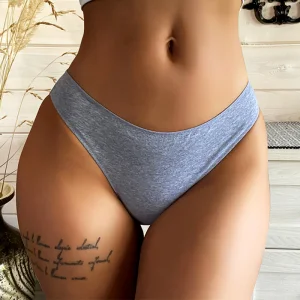
Premium, high-elasticity garments and active apparel designed for intensive training and studio comfort.


 Jungle Clothing