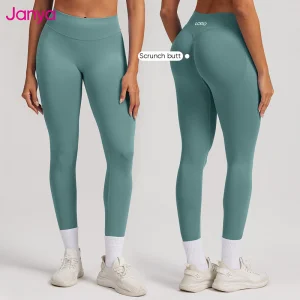
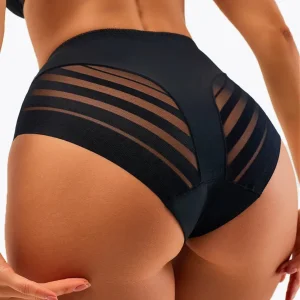
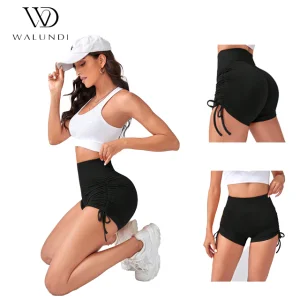
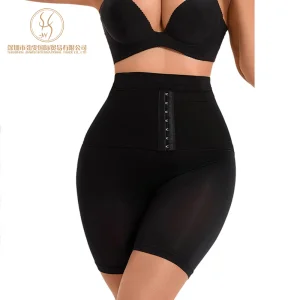
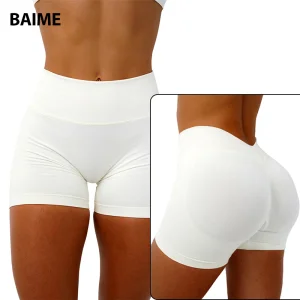
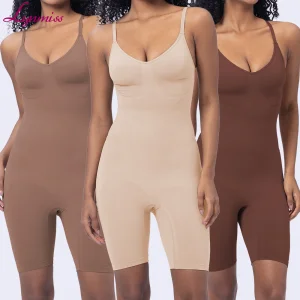
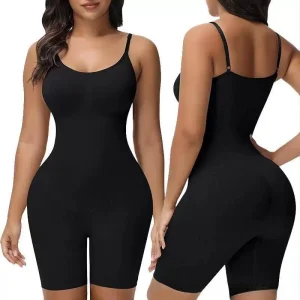
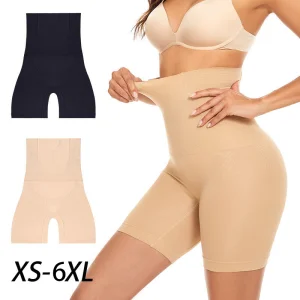
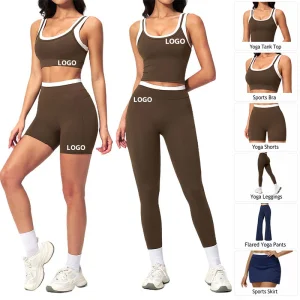
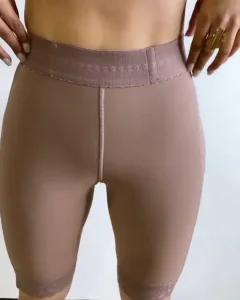
The global market for cold weather gear and specialized thermal apparel is undergoing a massive transformation. Rapid shifts in extreme climatic variations, combined with an exponential rise in cold-region infrastructure developments, military operations, high-altitude tourism, and outdoor fitness initiatives, have amplified the demand for advanced thermoregulatory wear. Once confined to heavy, bulk-filled insulation, the modern cold weather textile segment now demands lightweight, high-performance base layers, compressive shapewear with thermal efficiency, and adaptive smart fabrics.
In B2B commerce, sourcing managers look beyond thermal values. They demand manufacturers that demonstrate robust industrial capacity, adherence to certifications (such as BSCI and ISO 9001:2016), and the agility to engineer multi-layered garment configurations. These configurations must regulate body micro-climates, minimize dynamic wind-chill effects, maintain moisture permeability (breathability), and support high physical agility. Through seamless knitting technologies and optimized material matrix formulations (such as blends of ultra-dense fine-ribbed knits, spandex, polyester, and bio-ceramic compounds), leading manufacturers now engineer apparel that provides cold protection without compromising ergonomics.
Utilizes anatomically mapped compression to optimize capillary blood circulation. This reduces recovery times during intense activity in cold conditions and improves metabolic heat generation across core zones.
Applies high-gauge hydrophobic polyester fibers internally to transport sweat away from the skin. Meanwhile, hydrophilic outer layers accelerate evaporation to prevent chilling caused by stored body moisture.
Incorporates dense, double-knit ribbed structural patterns. This traps dead air within micro-cavities, establishing an insulating boundary layer that limits ambient heat loss in environments down to sub-zero temperatures.
The Science of B2B Thermal Layering: Sourcing high-performance base layers, activewear, and shapewear is key to building an effective winter garment system. By combining compression science with high-density knitting, manufacturers can offer protective apparel that satisfies the demands of both fashion and industrial wear in cold environments.
Zhejiang Jungle Clothing Co., Ltd. is a professional garment manufacturer specializing in the design, development, production, and export of high-quality apparel. Since its establishment in 2005, the company has been dedicated to delivering reliable manufacturing solutions and premium products to customers around the world. With over 20 years of manufacturing experience and more than 15 years of international trade experience, we have built a strong reputation for quality, efficiency, and dependable service.
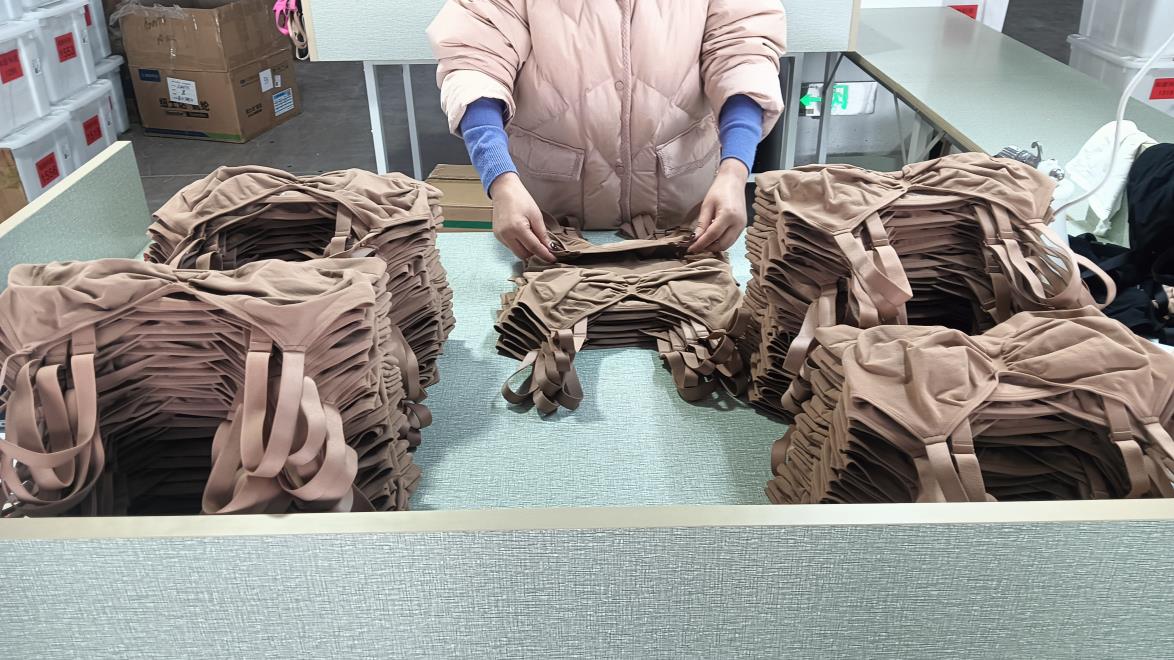
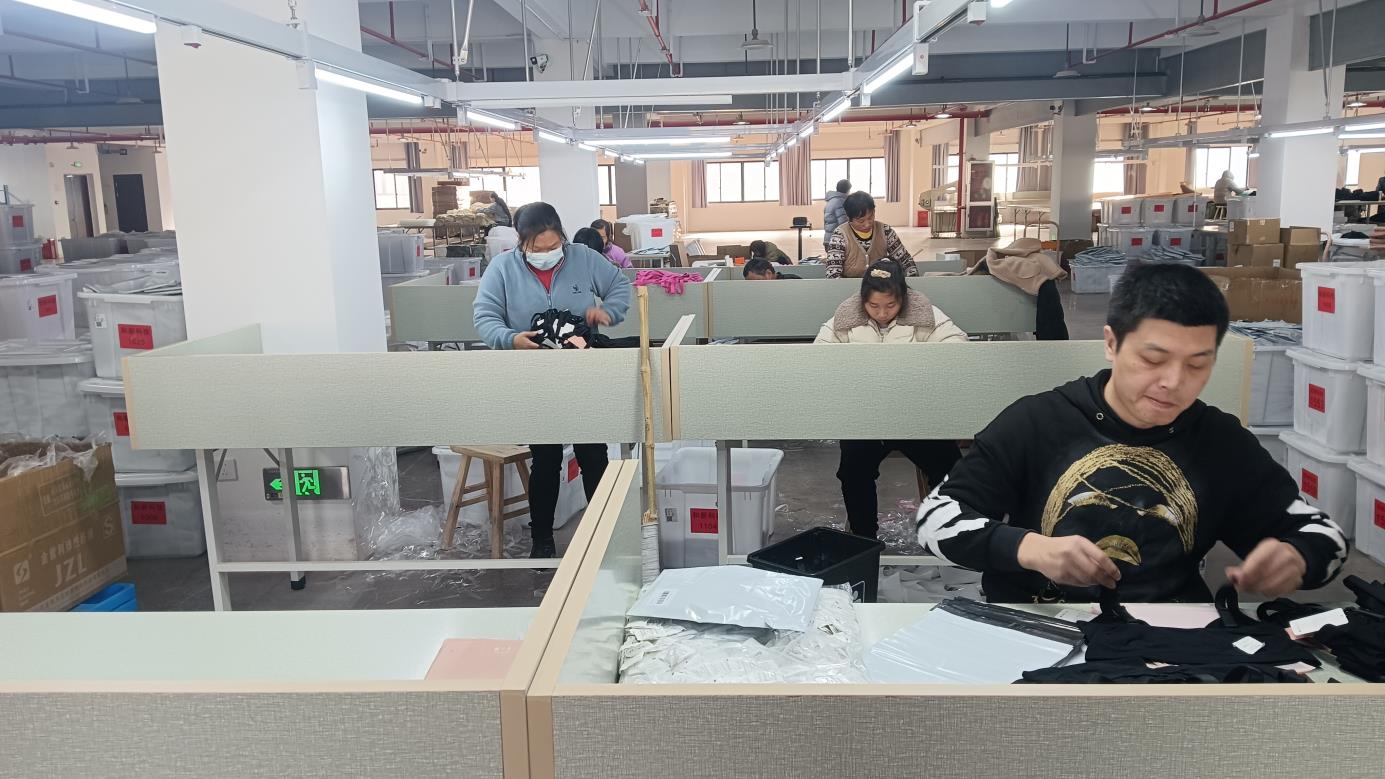
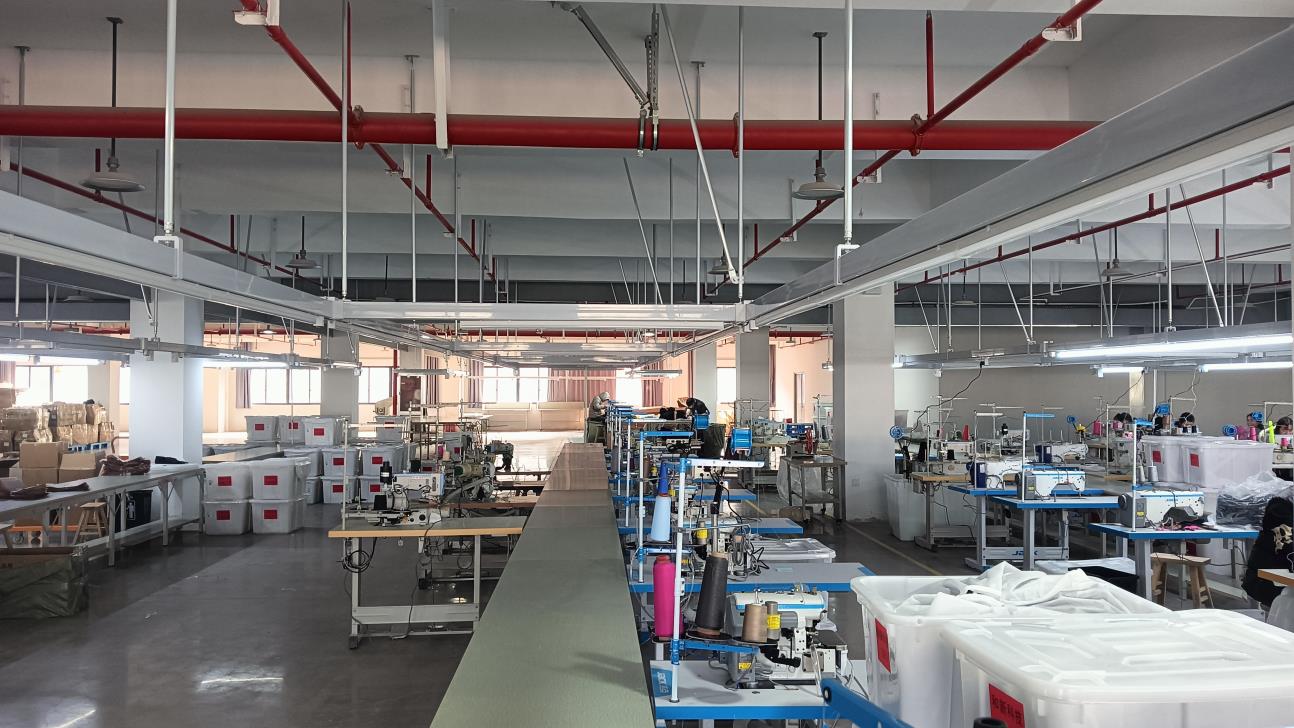
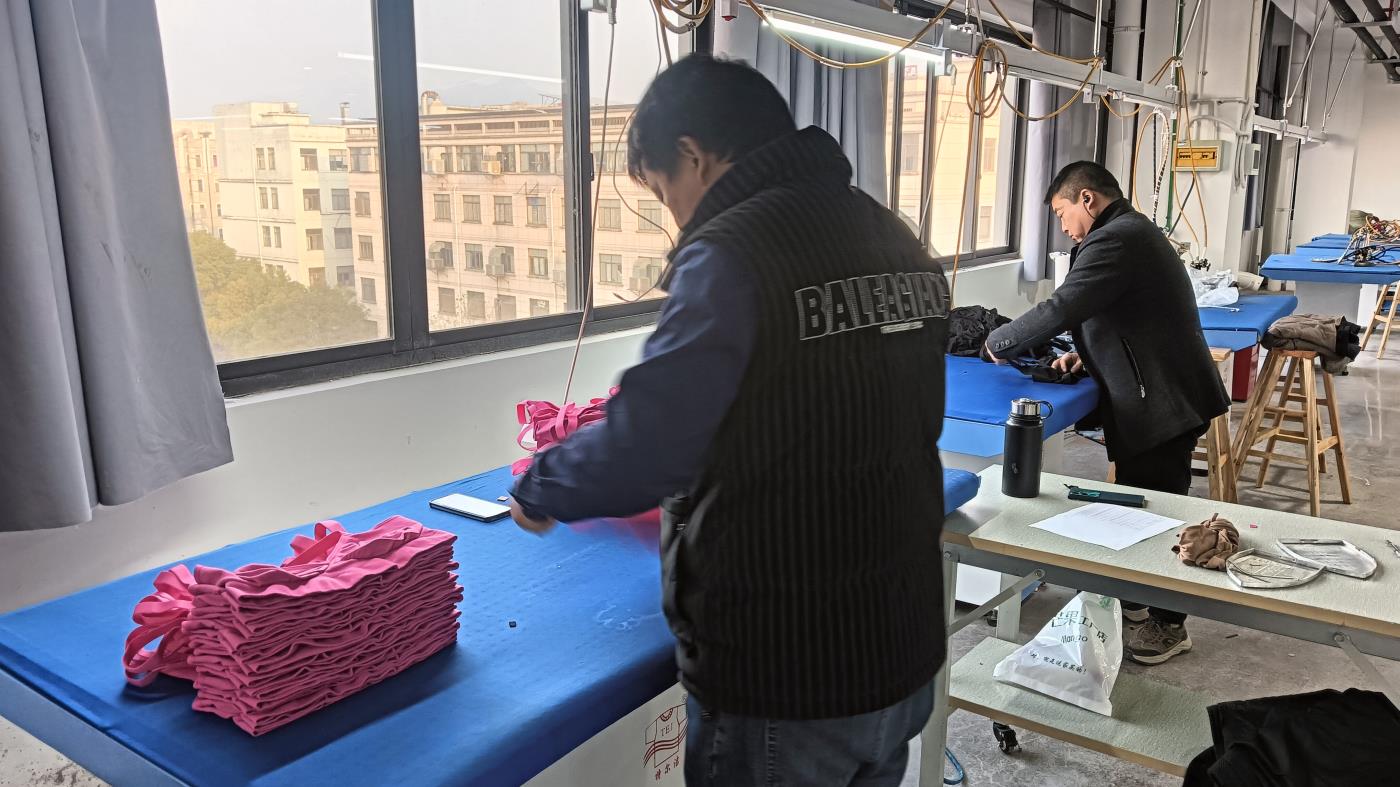
Our factory is equipped with 15 modern production lines and more than 400 advanced sewing machines, supported by an experienced technical team and a comprehensive quality control system. From material sourcing and sample development to mass production and final inspection, every stage is carefully managed to ensure consistent product quality and on-time delivery.
We specialize in the production of lingerie, activewear, shapewear, knitted jeans, and other fashion apparel, offering a wide range of customized solutions to meet the diverse needs of global brands, wholesalers, and retailers. With strong product development capabilities and flexible manufacturing, we are able to accommodate both small and large-volume orders while maintaining high standards of craftsmanship.
Quality and customer satisfaction are at the heart of everything we do. Our factory has obtained BSCI and ISO 9001:2016 certifications, demonstrating our commitment to international quality management standards and responsible manufacturing practices.
As a trusted manufacturing partner, Zhejiang Jungle Clothing Co., Ltd. provides comprehensive OEM and ODM services, supporting customers from product development and sampling to large-scale production and packaging. By combining competitive pricing, strict quality control, efficient communication, and reliable delivery, we have established long-term partnerships with clients across Europe, North America, South America, Australia, and many other international markets.
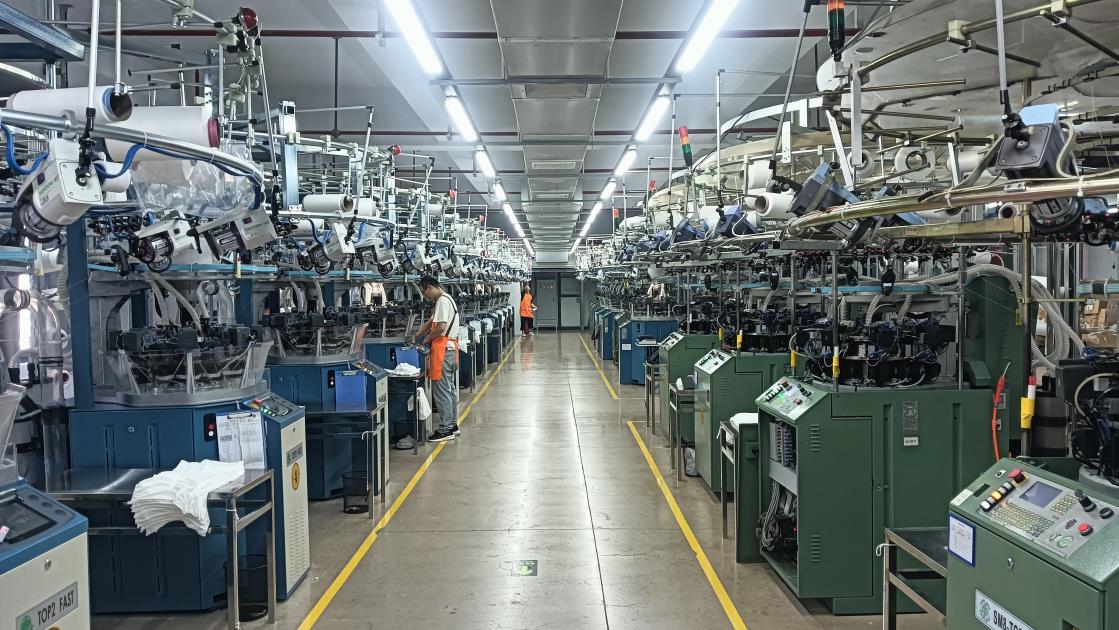
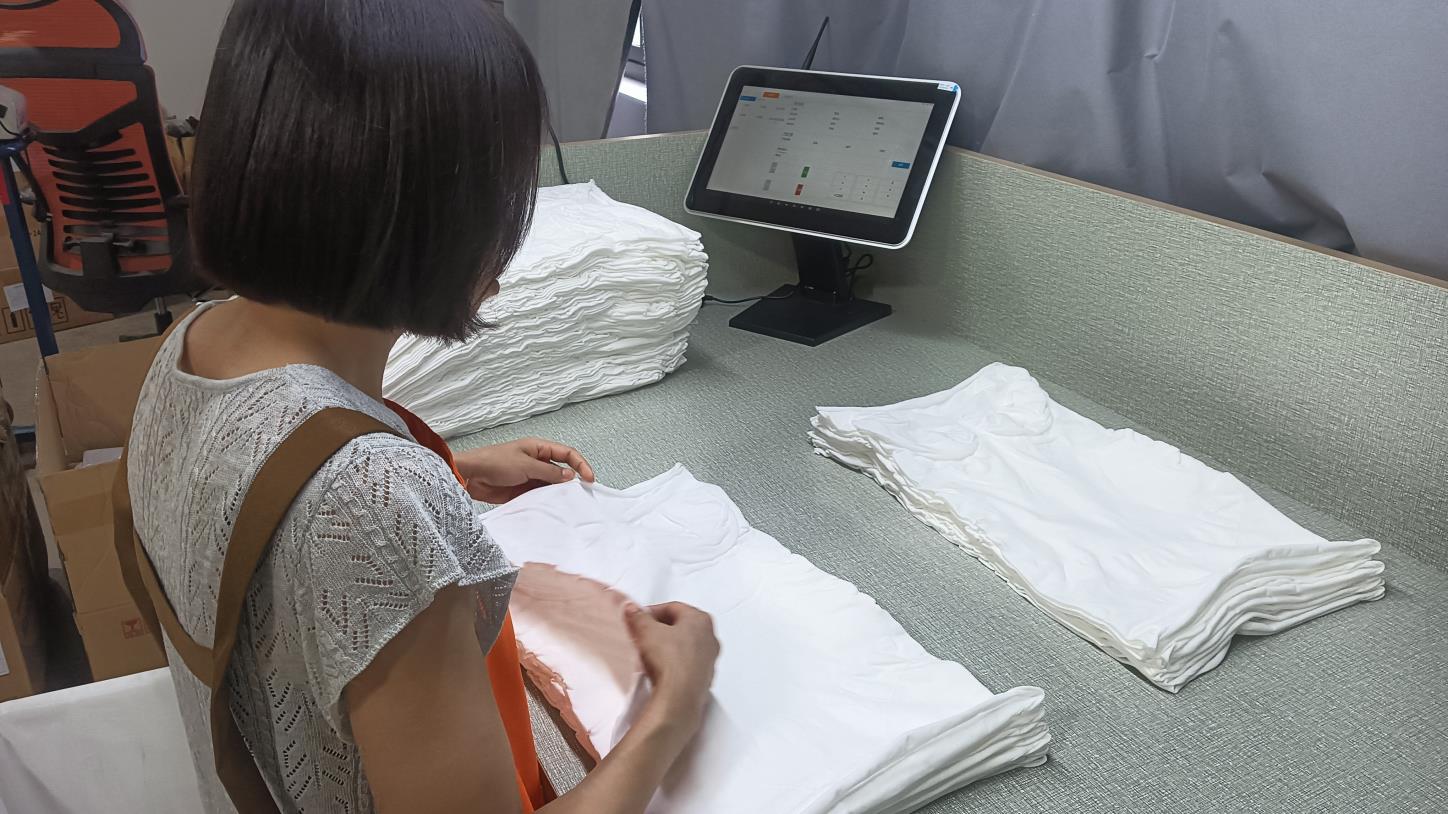
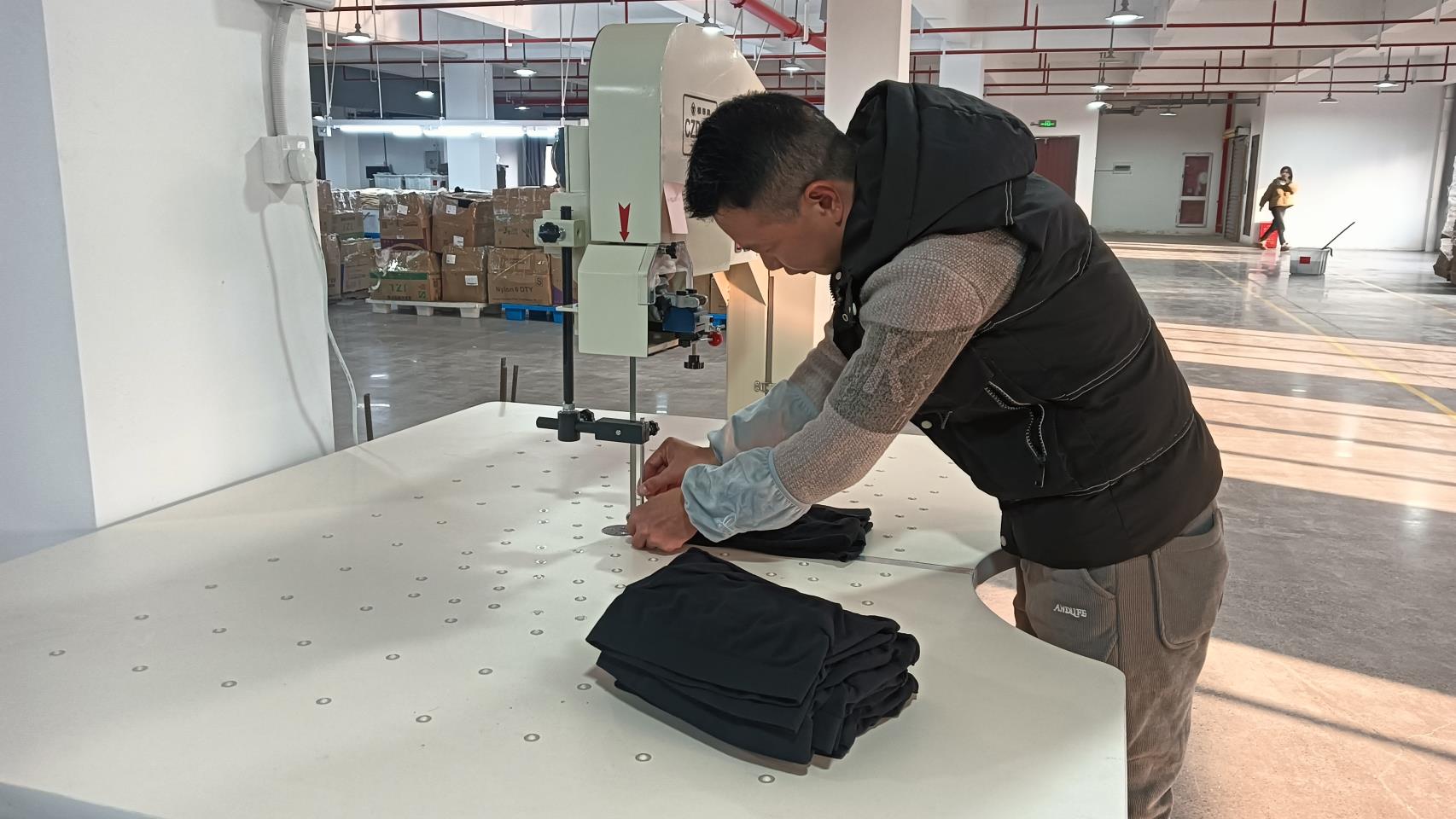
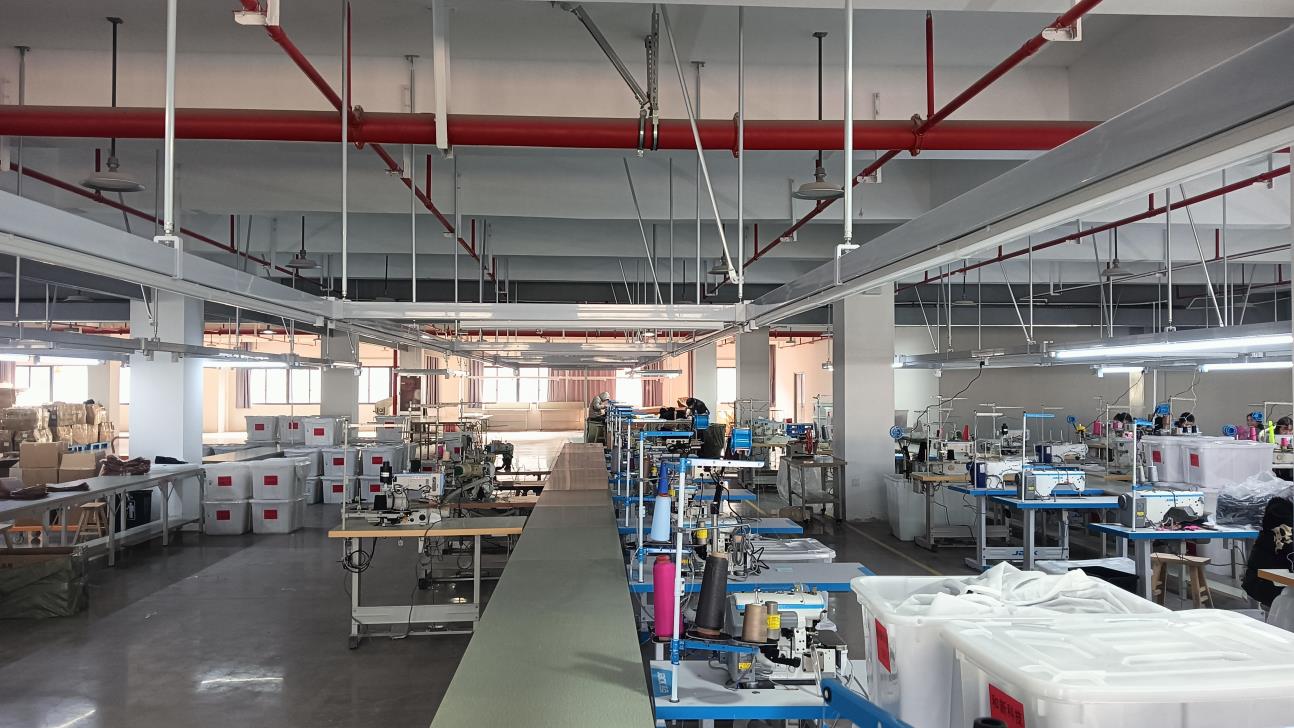
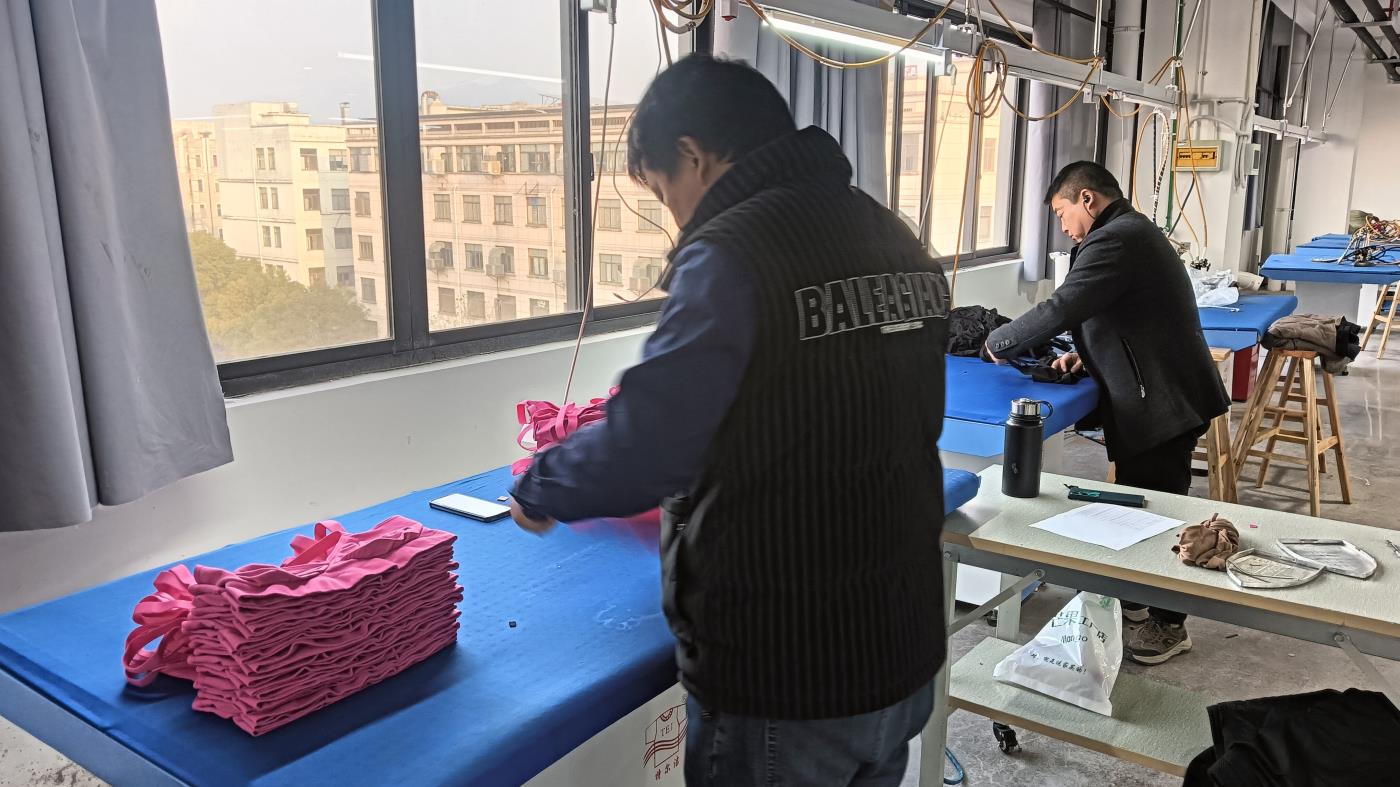
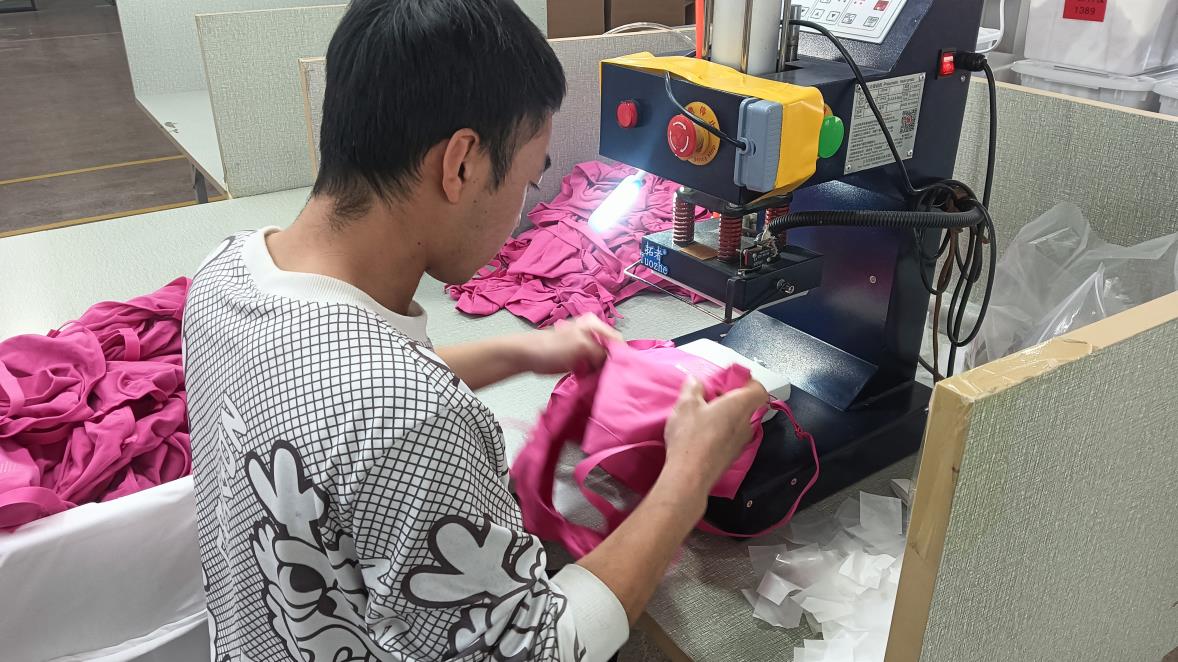
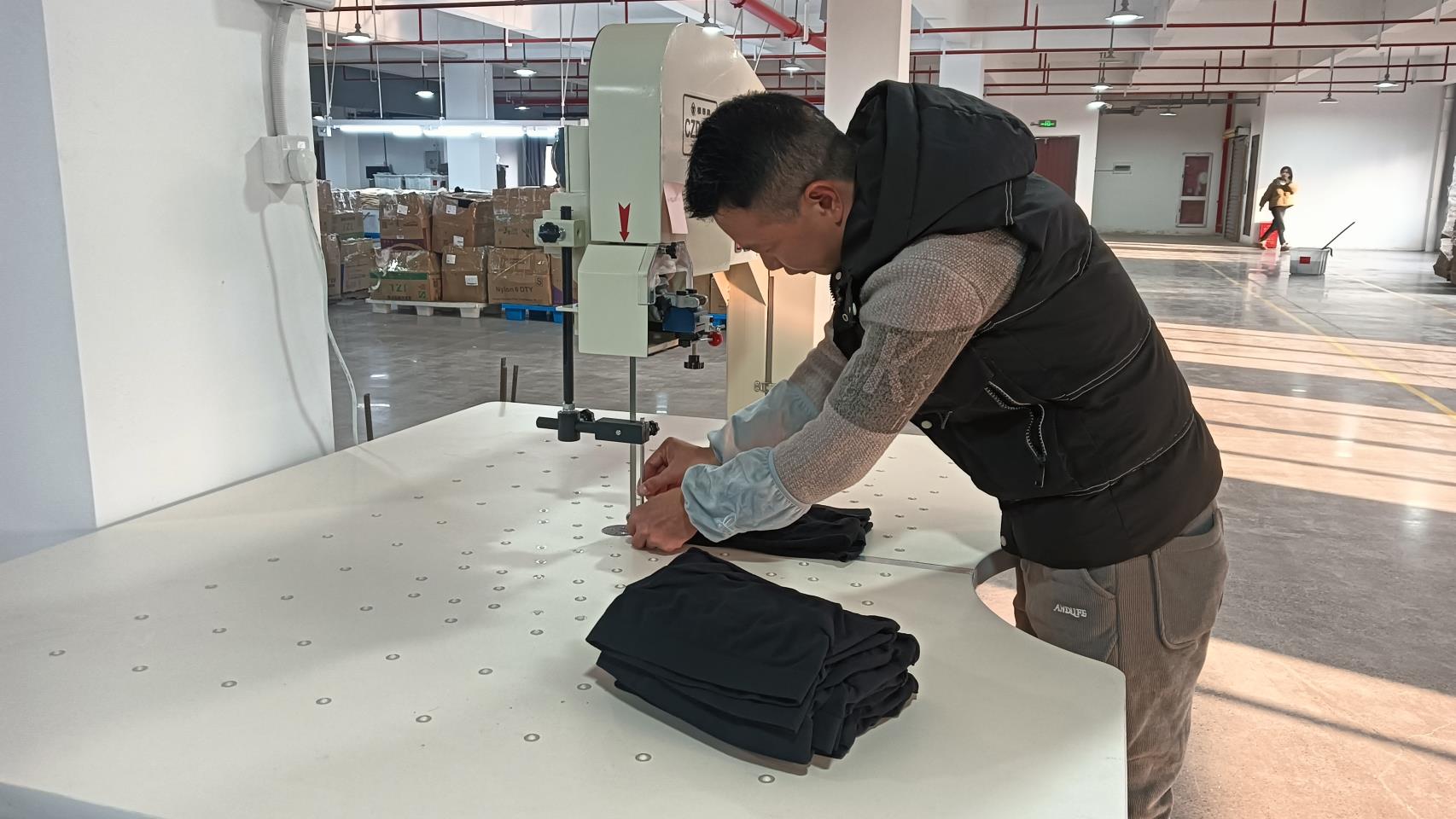
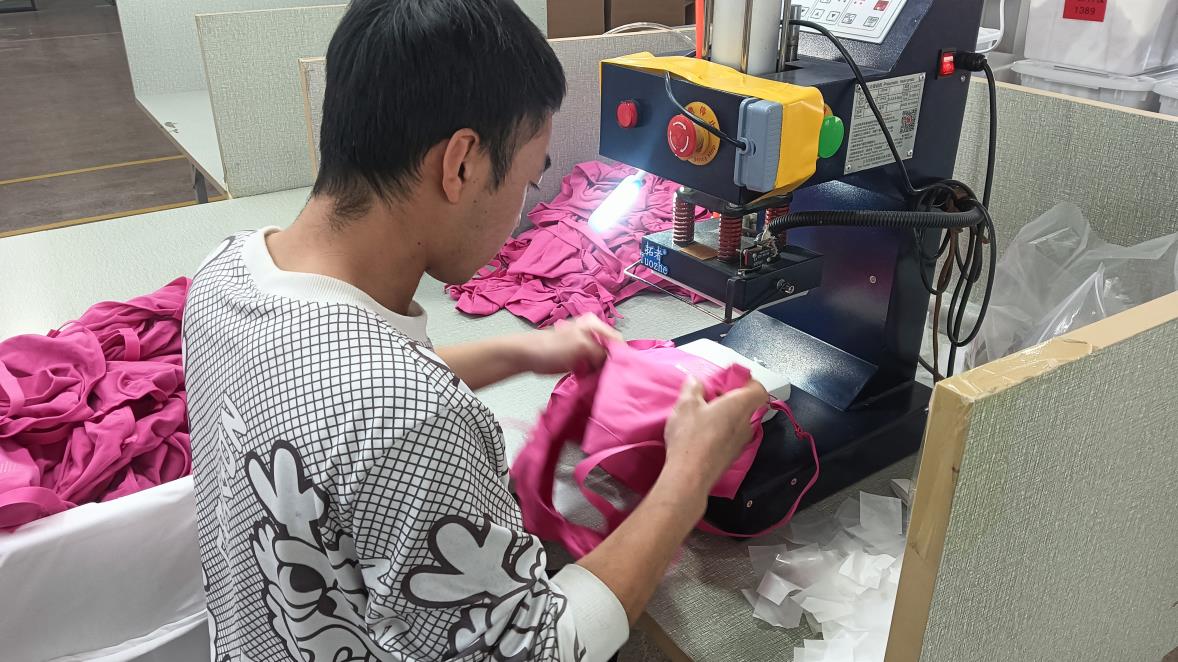
Looking toward the 2030 horizon, the thermal apparel industry is moving beyond passive heat preservation toward active, responsive thermoregulation. Future product development plans focus on integrating smart materials that respond to changes in body temperature and environmental conditions. Key areas of development include:
1. Phase Change Materials (PCMs) & Graphene Integration: By applying micro-encapsulated phase change materials directly to yarn matrices, garments can absorb, store, and release heat dynamically as the wearer's activity level changes. Thin graphene grids provide fast thermal conductivity, distributing heat evenly across the garment to eliminate cold zones.
2. Bio-Ceramic Active Prints: Incorporating mineral-infused bio-ceramic prints on interior fabric layers allows the garment to absorb body warmth and emit it back as far-infrared (FIR) waves. This supports micro-circulation and keeps muscles warm without adding weight or bulk.
3. Advanced Sustainable Insulation: To support global sustainability initiatives, research is focused on developing 100% biodegradable elastomeric synthetics. This enables circular recycling loops for performance base layers and shapewear, helping reduce the industry's environmental footprint.
 Jungle Clothing